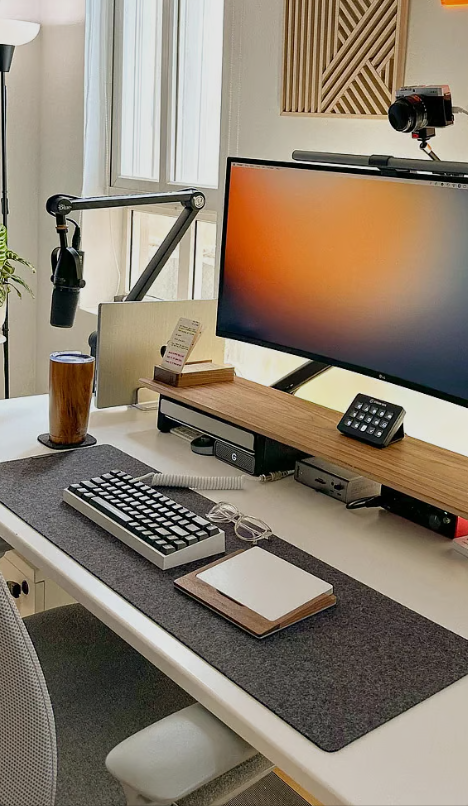
Best USB-C Hub and Docking Station for Work From Home – 2025 Guide
Best USB-C hub docking station work from home is the single most important cable investment you’ll make. A quality docking station transforms your laptop from an isolated device into the hub of a professional workstation. Instead of juggling multiple cables—USB mouse, keyboard, monitor, power, external drive—everything connects through one USB-C port. One cable. One connection. Professional simplicity.
This comprehensive guide compares the best USB-C hubs and docking stations available in 2025, covering connectivity options, monitor support, charging capabilities, and real-world performance for remote workers, digital nomads, and hybrid employees.
Understanding USB-C: The Technology Revolution
USB-C is the modern standard for power, data, and video on laptops. Unlike the fragmented connector world of previous decades, USB-C consolidates everything into one reversible connector.
What Makes USB-C Special:
- Power Delivery: Charges laptops at full wattage (60W-100W+) through the same port
- Video Output: Carries video signals (HDMI, DisplayPort standards) through USB-C
- Data Transfer: USB 3.2 speeds (10Gbps+) for fast external drives and peripherals
- Reversible: Plug either way—no more USB frustration
- Daisy-Chaining: Multiple monitors can chain together on newer Thunderbolt ports
For WFH, USB-C means you can charge your laptop, drive two external monitors, connect mouse/keyboard, and attach an external drive—all through ONE cable to your docking station.
Docking Station vs. USB Hub: The Key Difference
USB Hub: A passive device that simply splits one USB-C port into multiple USB ports. Limited power delivery (usually 15-30W). NO video output capability. Cost: $20-$50.
Docking Station: An active device that includes USB hubs, plus video output (HDMI, DisplayPort, or USB-C video), power delivery (60W+), and often SD card readers, ethernet, and audio. Cost: $80-$300+.
For remote workers, docking stations are essential. USB hubs alone won’t drive external monitors or provide adequate power charging.
The Anker 675 USB-C Docking Station: Best Overall for WFH
The 👉 Anker 675 USB-C Docking Station is the professional standard for remote workers. It delivers everything needed for a complete WFH setup without premium pricing.
Specs:
- 7 USB 3.0 ports (plenty for peripherals)
- USB-C power delivery: 65W (charges most laptops)
- HDMI output (one 4K monitor support)
- SD/microSD card reader
- Gigabit ethernet (critical for reliable video calls)
- Compact aluminum design
- Price: $80-$130
Real-World WFH Setup:
Connect your laptop to the Anker 675 via USB-C. Now available:
- External monitor (HDMI)
- Wireless mouse (USB)
- Mechanical keyboard (USB)
- Webcam (USB)
- External hard drive (USB)
- Gigabit ethernet for video calls
- Laptop charging (65W)
One cable from your laptop to the dock. Everything else daisy-chains through the dock. This is professional simplicity at its finest.
Monitor Strategy: Native USB-C Monitors vs. HDMI
USB-C monitors are game-changers for remote workers. They charge your laptop, display video, and provide USB hub functionality—all through a single cable connection.
Native USB-C Monitors (Ultimate Solution):
The 👉 Dell U2723QE 27-Inch 4K USB-C Monitor is the professional standard. It charges your laptop at 90W, displays 4K content, provides USB downstream ports, and includes built-in speakers. One cable to the monitor handles everything—power, video, and USB connectivity.
Alternative native USB-C monitors:
- 👉 LG 34WN80C-B 34-Inch Ultrawide USB-C Monitor — 3440×1440 ultrawide resolution, 90W USB-C power, perfect for traders/designers
- 👉 Samsung ViewFinity S8 4K USB-C Monitor — 4K resolution, 96W USB-C power, excellent color accuracy
The USB-C Monitor Advantage:
With a native USB-C monitor, you don’t need a separate docking station. One cable from your laptop to the monitor provides:
- Video output (4K resolution)
- Laptop charging (90W+)
- USB downstream ports (for mouse, keyboard, drives)
- Ethernet (often built-in)
This is the pinnacle of WFH setup simplicity.
Traditional Setup: Dock + Separate Monitor
If you prefer traditional HDMI monitors or already own multiple monitors, the Anker 675 with HDMI output still works excellently.
Setup Example:
- Laptop → Anker 675 (USB-C cable)
- Anker 675 HDMI output → External monitor
- Anker 675 USB ports → Mouse, keyboard, drives
- Anker 675 power delivery → Laptop charging
This setup is cheaper than native USB-C monitors ($80 dock vs. $500 monitor) but requires an additional HDMI cable and doesn’t provide the elegance of a single cable solution.
For dual-monitor setups, the 👉 VIVO Dual Monitor Mount ($100-$150) holds two monitors at proper ergonomic height, freeing massive desk space and improving productivity through extended screen real estate.
The Complete Professional WFH Setup
Budget Setup (~$800-$1,000):
- Anker 675 docking station: $100
- Dell U2723QE 4K USB-C monitor: $500-$600
- Logitech MX Keys S keyboard: $100-$150
- Logitech MX Master 3S mouse: $100-$130
- BenQ ScreenBar monitor light: $60-$80
- Total: $860-$960
Premium Setup (~$2,000-$2,500):
- Anker 675 docking station: $100
- Dell U2723QE 4K USB-C monitor: $600
- Logitech MX Keys S keyboard: $150
- Logitech MX Master 3S mouse: $130
- Herman Miller Aeron Chair: $1,395
- BenQ ScreenBar monitor light: $80
- Total: $2,455
Luxury Mac-Focused Setup (~$3,000+):
For Mac users wanting premium aesthetics, the 👉 Apple Studio Display ($1,600) is the ultimate native monitor. It’s designed specifically for Mac, includes excellent speakers, and has a built-in camera and microphone. Perfect for creators and design professionals. Pair it with the Anker 675 for full USB-C connectivity.
The professional chair is the single biggest investment. Everything else is modest. But the chair prevents back pain during 8+ hour WFH days—that’s worth every penny. For complete chair selection guidance, see our ergonomic chair buying guide.
Connectivity Deep Dive: What You Actually Need
Understanding connectivity specifications prevents buying under-featured docks that fail to meet your real WFH needs. Each connectivity type serves a specific purpose, and mixing inadequate connections creates frustrating bottlenecks.
Essential Connectivity:
- USB-C Power Delivery: 60W minimum (100W ideal for high-performance laptops). Power delivery determines whether your laptop charges at full speed while in use.
- Video Output: HDMI (standard) or USB-C/Thunderbolt (future-proof). HDMI works with most existing monitors; USB-C/Thunderbolt enables ultra-modern monitor chaining.
- USB 3.0 Ports: 4+ for mouse, keyboard, external drives. USB 3.0 speeds (5Gbps) are sufficient for most peripherals except high-speed file transfers.
- Ethernet: Gigabit (1000Mbps) for reliable video calls. WiFi is convenient but less stable; ethernet ensures crystal-clear Zoom/Teams calls.
- Audio: 3.5mm headphone jack (or USB audio via docking station). Important if you use wired headphones or studio monitors.
Nice-to-Have Connectivity:
- SD/microSD card reader (photographers, content creators)
- DisplayPort (multiple monitor daisy-chaining on Thunderbolt)
- USB-C video output (connects to USB-C monitors directly)
- Multiple HDMI ports (for dual/triple monitor setups)
The Anker 675 covers all essentials and most nice-to-haves at a bargain price.
Cable Management: The Hidden Benefit
Beyond connectivity, docking stations dramatically improve desk aesthetics. Instead of 6-8 cables sprawling across your desk, one USB-C cable connects everything. Your workspace looks professional, organized, and minimal.
Add desk cable management clips ($10-$20) to route the single cable cleanly behind your monitor or desk. The result feels almost magical—an elegant, professional workspace with zero cable clutter.
Reliability & Build Quality
Cheap docking stations ($20-$40) often fail within months. USB ports become loose. HDMI output fails intermittently. For remote workers whose livelihood depends on reliable connectivity, reliability matters immensely.
Anker’s Reputation: Known for durable electronics and excellent customer service. The 675 model has thousands of five-star reviews from professionals, with most reporting 3+ years of trouble-free operation.
Quality Investment: Spending $100-$150 on a docking station prevents catastrophic work disruptions. A failed dock during an important client call is a disaster. Anker’s reliability prevents that.
Common Mistakes When Choosing Docking Stations
Mistake 1: Choosing Based on Port Count Alone
A dock with 12 USB ports but 15W power delivery is useless. You can’t charge your laptop. Power delivery and video output are more critical than port proliferation.
Mistake 2: Ignoring Power Delivery Wattage
Most laptops need 60-100W charging. A 30W dock will charge your laptop slowly (if at all) while it’s in use. Specify 60W+ minimum.
Mistake 3: Assuming All USB-C Docks Are Equal
A $30 generic dock and the $130 Anker 675 have vast quality differences. Build quality, reliability, heat management, and customer support vary dramatically. Don’t cheap out.
Mistake 4: Not Considering Monitor Connectivity
If you’re buying a new monitor, get a native USB-C model. It eliminates the dock entirely and provides superior simplicity. The monitor becomes your docking station.
Future-Proofing Your Setup
USB-C adoption is accelerating. Every modern laptop uses USB-C exclusively now. Docking stations built around USB-C will remain relevant for 5+ years.
Avoid older Thunderbolt 2 docks or legacy USB 3.0 hubs. They lack modern USB-C support and will feel dated quickly.
The Anker 675 uses USB-C natively and supports modern USB 3.0 speeds, making it future-proof through at least 2030.
Remote Work Essentials: The Bigger Picture
A docking station is one component of professional remote work. For complete guidance on building a productive WFH environment, explore our guide to the best home office desks, our guide to ergonomic chairs, and our comprehensive monitor buying guide.
FAQ: USB-C Hub and Docking Station Questions
Do I really need a docking station or can a simple USB hub work?
For full remote work functionality (monitors, power, peripherals), you need a docking station, not just a USB hub. Simple USB hubs lack power delivery (can’t charge your laptop) and video output (can’t drive external monitors). Docking stations provide both, enabling true single-cable simplicity.
What’s the difference between Thunderbolt 3/4 docks and USB-C docks?
Thunderbolt 3/4 are faster (40Gbps vs. 10Gbps) and support daisy-chaining (one cable drives multiple monitors). However, USB-C docks work perfectly fine for remote work and cost less. Unless you’re transferring massive files or daisy-chaining monitors, USB-C docks like the Anker 675 are more practical.
Should I buy a native USB-C monitor or a dock + regular monitor?
If buying a new monitor, a native USB-C monitor like the Dell U2723QE is superior (one cable, cleaner setup, built-in charging). If you already own monitors, the Anker 675 dock ($100) works perfectly with HDMI. Native USB-C monitors cost $500-$1600 vs. dock-based setups at $100-$200.
How much power delivery do I need in a docking station?
Minimum 60W (charges most laptops). 100W is ideal for high-performance laptops or future-proofing. The Anker 675 provides 65W, sufficient for MacBook Pros, Dell XPS, Lenovo ThinkPads, and most laptops. Verify your laptop’s charging specifications to confirm adequacy.
What’s the best budget docking station for remote work?
The Anker 675 at $100-$130 is the best value. It provides everything remote workers need: 65W power, HDMI video, USB ports, ethernet, and reliability. Cheaper docks sacrifice build quality and reliability. Spending $100 prevents catastrophic failures that would disrupt your work.
Integration with Your Complete WFH Ecosystem
The docking station is the nervous system of your remote work setup. Everything else—monitors, peripherals, power—connects through it. This centralization is both its power and its responsibility. A quality dock handles this role flawlessly; a cheap dock becomes the weak link that breaks your entire setup.
Consider also raising your laptop with a stand to achieve proper ergonomic monitor height. When your docking station sits on your desk with a monitor connected, your laptop screen becomes secondary. Raise your laptop to eye level with your external monitor, and you’ve achieved professional ergonomic setup.
The complete ecosystem—laptop stand, docking station, external monitor, ergonomic keyboard/mouse, proper lighting—transforms your WFH experience from tolerable to genuinely professional.
Real-World Performance: What Users Report
The Anker 675 has thousands of professional reviews across Amazon and tech communities. Consistent themes from users:
- Simplicity: One cable eliminates desk clutter and reduces daily cable frustration
- Reliability: Users report 3-5 years of trouble-free operation; no port failures or intermittent connections
- Performance: 4K HDMI output handles demanding creative work; gigabit ethernet provides stable video call quality
- Value: At $100-$130, users consider it exceptionally priced for the features delivered
- Compatibility: Works seamlessly across Windows, Mac, and Linux systems
The consensus: If you’re WFH and need reliable connectivity at reasonable cost, the Anker 675 consistently delivers. Users who’ve switched from cheap docks report immediate quality-of-life improvements.
Your Professional Setup Starts Here
The best USB-C docking station isn’t flashy or complicated. It’s reliable, well-designed, and solves your cable problem elegantly. The Anker 675 accomplishes this perfectly, earning its position as the professional standard for remote workers.
Invest in quality connectivity. Your productivity—and your sanity during video calls—depends on it. With the right docking station, your WFH setup transforms from a laptop on a table into a professional workspace worthy of the work you do. One cable. One connection. Professional simplicity. That’s what the best USB-C hubs deliver.