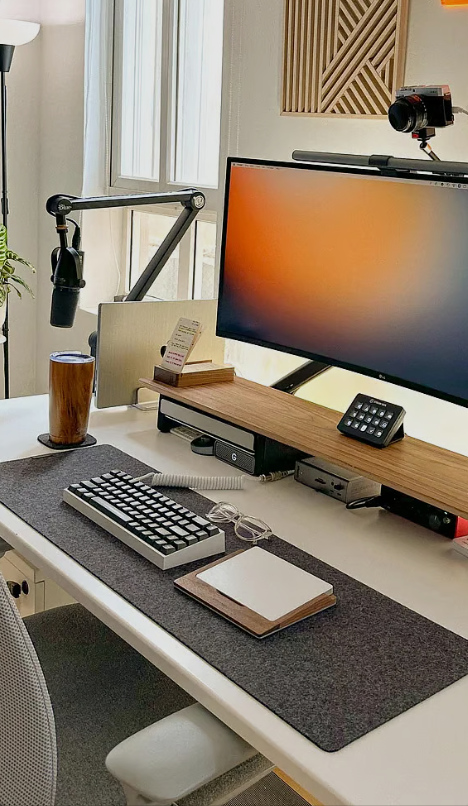
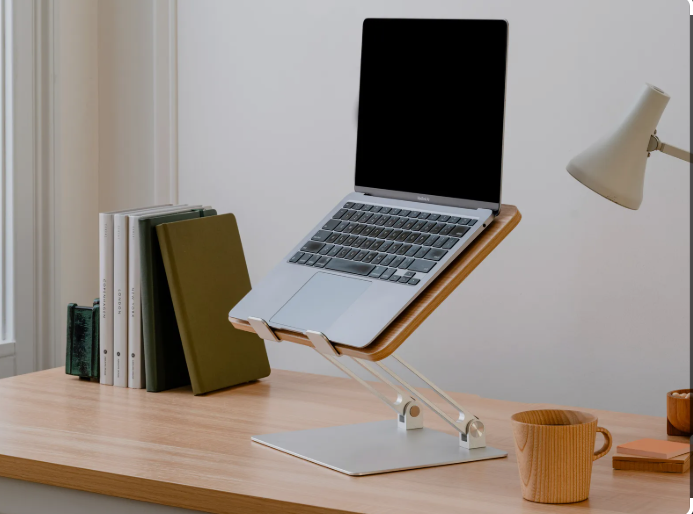
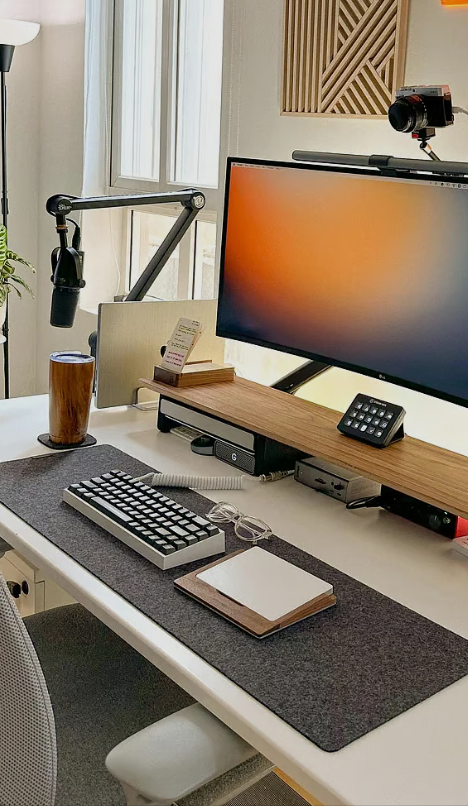
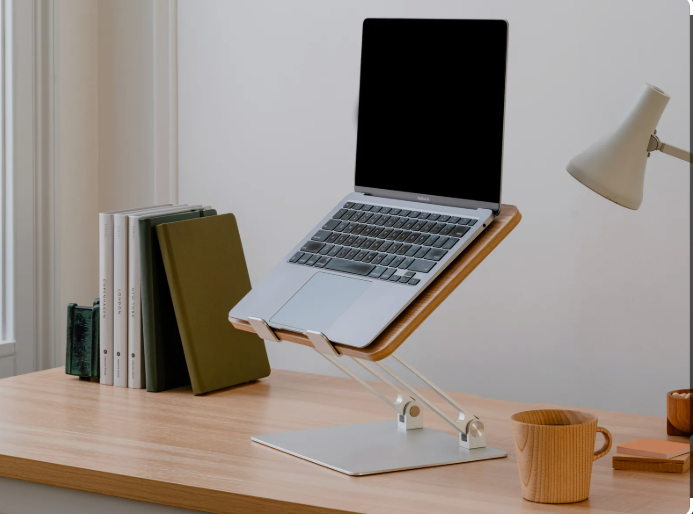
Category: Uncategorized

  • Best Footrest for Office & Home Desk – Ergonomic Comfort Picks 2025

    Your feet matter far more than most people realize when working 8+ hours daily at a desk. The right best footrest for desk office transforms your comfort level, improves your posture significantly, and reduces the strain that leads to chronic back pain, leg fatigue, and circulation problems that plague remote workers everywhere. This comprehensive guide breaks down the top footrest options available for home office and professional work environments, explaining exactly how they improve ergonomics, reduce physical fatigue, and help you maintain sharp focus during long work sessions without persistent physical discomfort.
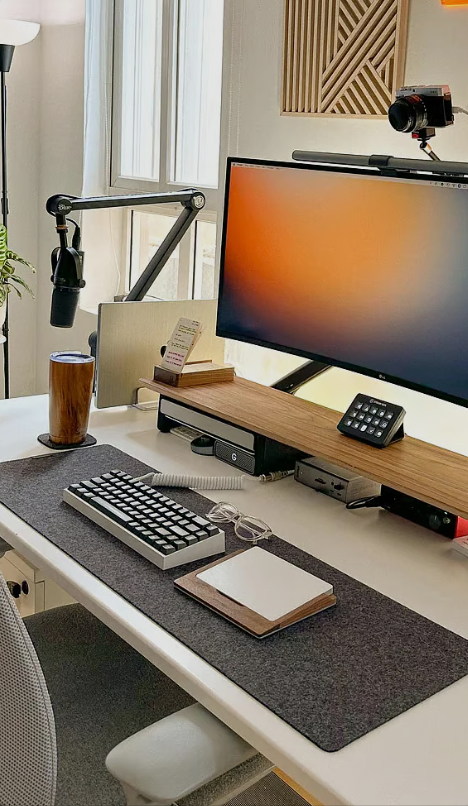
    Best footrest for desk office professional ergonomic setup
    Professional ergonomic office setup with proper footrest support for long work sessions

    Why Your Feet Are the Forgotten Foundation of Ergonomic Health

    Most people obsess over their chair, desk, and monitor when setting up a workspace. They critically overlook the best footrest for desk office—which is arguably the most important component. Your feet are literally the foundation of your entire ergonomic setup. When your feet dangle awkwardly or rest improperly, it creates a devastating chain reaction of postural problems up your entire body that compounds throughout the day.

    Improper foot positioning prevents these critical ergonomic issues:

    • Leg swelling and poor circulation: Dangling feet restrict blood flow, causing noticeable swelling, numbness, and afternoon fatigue
    • Chronic back pain: Unsupported feet force your hips and entire spine into painful compensation positions
    • Posture collapse: Without foot support, your entire spine hunches forward uncontrollably
    • Knee strain and pain: Improper foot positioning stresses your knees throughout the workday
    • Restlessness and fidgeting: Feet without support create constant uncomfortable shifting and distraction
    • Reduced focus and productivity: Persistent physical discomfort directly reduces your ability to concentrate on work
    • Long-term repetitive strain: Years of unsupported feet lead to permanent postural damage

    A quality footrest costs $30-$200 but prevents thousands in physical therapy, back pain treatment, and lost productivity from pain-induced absences. It’s genuinely one of the highest-ROI office purchases you can make for long-term health.

    The Science Behind How a Footrest Improves Your Entire Ergonomic Setup

    Understanding exactly how the best footrest for desk office improves your entire workspace helps you truly appreciate why this investment matters so profoundly:

    Proper Foot and Leg Alignment at 90 Degrees

    A quality footrest allows your feet to rest flat at a perfect 90-degree angle, with your knees also positioned at 90 degrees and your hips at 90 degrees. This neutral position dramatically reduces strain on your hips, knees, and ankles throughout the entire workday. Without a footrest, your feet dangle at an unnatural downward angle that creates continuous tension in your entire lower body.

    Dramatically Improved Circulation and Reduced Swelling

    When your feet are properly supported at correct height, blood circulation improves dramatically and consistently. This prevents the painful leg swelling and afternoon fatigue that come from 8+ hours of sitting with dangling feet. Better circulation literally means more energy, mental clarity, and focus throughout your entire workday. Studies show that proper foot support can reduce afternoon swelling by 30-50%.

    Better Posture Through Your Entire Spine

    Supported feet allow your pelvis to sit properly in your chair, which automatically aligns your entire spine perfectly. Your shoulders naturally relax, your neck straightens without effort, and your lower back naturally curves correctly. This cascading positive effect eliminates compensatory tension throughout your body.

    Reduced Chronic Back and Neck Pain

    Back pain is the #1 physical complaint from remote workers and office employees. Most chronic back pain originates from poor foot and pelvic positioning that throws off your entire spinal alignment. A proper footrest addresses the root cause rather than just treating symptoms with painkillers.
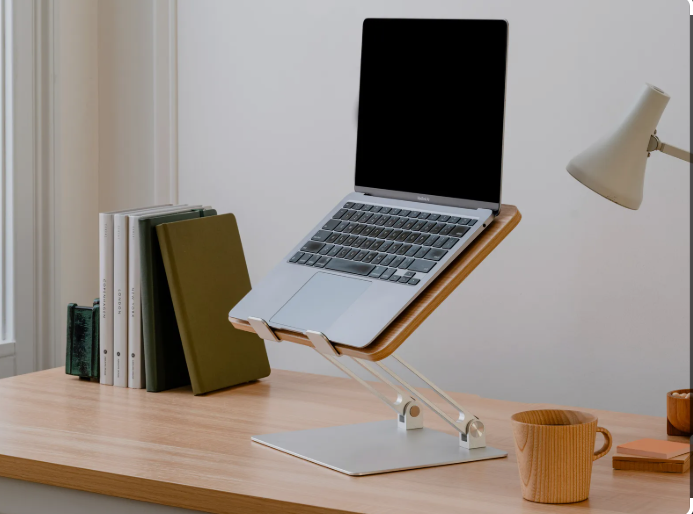
    Minimalist desk setup footrest ergonomic workspace
    Minimalist home office with footrest supporting healthy posture

    Types of Footrests and Their Specific Benefits

    Different best footrest for desk office options serve different ergonomic needs and personal preferences:

    Angled Footrests: Active Engagement

    Angled footrests tilt at 15-30 degrees, naturally encouraging a slightly elevated foot position. This angle is ideal for promoting better posture and actively engaging your core muscles while seated. The slight incline encourages you to maintain proper spinal alignment without thinking about it. Perfect for people with desk jobs who want to maintain muscle engagement without standing, preventing postural slouch that typically occurs after hours of sitting.

    Flat Platform Footrests: Basic Support

    Simple flat surfaces that provide solid foot support at a natural 90-degree angle. These are ideal if you just need comfortable foot support without additional movement features. Budget-friendly, effective, and straightforward for fundamental ergonomic improvement without complexity. They’re the most common type and work well for the majority of desk workers.

    Rocker and Wobble Footrests: Movement and Engagement

    Curved bottom surfaces that allow gentle rocking motions throughout your workday. These encourage subtle, continuous movement that engages your core muscles and improves circulation naturally. Perfect for people who fidget or need constant subtle movement to maintain focus and engagement. The gentle motion prevents stiffness from building up during extended sitting sessions.

    Adjustable and Height-Adjustable Footrests: Customization

    Premium options that adjust height and angle to match your specific body proportions and unique desk setup precisely. These work perfectly with any chair height and accommodate different leg lengths effectively. Best for people with specific ergonomic needs or non-standard desk setups where one-size-fits-all solutions don’t work.

    Footrest ergonomic productivity improvement arrow growth
    Proper footrest support improves productivity and reduces fatigue

    Building a Complete Ergonomic System Around Your Footrest

    A quality footrest works dramatically better as part of a comprehensive ergonomic setup rather than in isolation. Complete your workspace with these essential components that work synergistically:

    The 👉 Check Price on Amazon is the acknowledged gold standard for office seating, providing superior lumbar support that works perfectly with foot support from a quality footrest.

    The 👉 Check Price on Amazon allows your arm to rest naturally when your posture is properly aligned with footrest support, preventing repetitive strain injuries.

    The 👉 Check Price on Amazon positions your wrists and arms correctly when combined with proper foot support and chair alignment for complete ergonomic harmony.

    Proper lighting prevents eye strain. The 👉 Check Price on Amazon prevents eye strain that can cause you to unconsciously hunch forward—which completely ruins all your footrest and posture work.

    Your display setup should include the 👉 Check Price on Amazon positioned at proper viewing height with the 👉 Check Price on Amazon for ergonomic positioning.

    Connect everything cleanly with the 👉 Check Price on Amazon for cable management that keeps your workspace organized and ergonomic.

    If you use ultrawide displays for immersive work, the 👉 Check Price on Amazon pairs perfectly with a proper footrest setup for extended professional work or creative tasks.

    Key Footrest Features That Actually Impact Your Ergonomic Health

    When choosing the best footrest for desk office, look specifically for these key features that genuinely matter:

    • Non-slip surface material: Prevents your feet from sliding, keeping you properly positioned throughout the day
    • Proper height for your setup: Should allow 90-degree knee angle when sitting in your specific chair
    • Adequate width and depth: At least 16 inches wide to accommodate both feet comfortably without cramping
    • Durable, quality construction: Materials that won’t degrade after months of daily use
    • Easy to clean surface: Smooth finish that you can wipe down regularly for hygiene
    • Stable, non-sliding base: Won’t slide across your floor or tilt unexpectedly during work
    • Neutral angle positioning: 0-30 degree angle for natural, comfortable foot positioning
    • Compact footprint: Doesn’t take up excessive space under your desk

    Common Footrest Mistakes That Undermine Ergonomic Benefits

    Even with a footrest, people often make these ergonomic mistakes that reduce its effectiveness:

    • Wrong height selection: Footrest too high or too low completely ruins the ergonomic benefits
    • Excessive angle: Extreme angles (45+ degrees) strain your feet instead of supporting them
    • Footrest mismatch: Using office footrest with gaming chair (or vice versa) creates spinal misalignment
    • Ignoring other ergonomic factors: Footrest alone can’t fix a terrible desk or chair setup
    • Budget compromises: Cheap footrests degrade quickly and offer poor support quality
    • Not adjusting desk height: Footrest needs proper desk height coordination to be effective

    Businesswoman ergonomic desk footrest comfortable workspace
    Ergonomic workspace with footrest support for all-day comfort

    FAQ: Best Footrest for Desk Office

    Q: Do I really need a footrest if I already have a really good office chair?

    Yes, absolutely. Even premium office chairs don’t solve dangling feet problems. A footrest is essential for proper posture and circulation, regardless of chair quality. They work together synergistically—quality chair + quality footrest = optimal ergonomics and comfort throughout your entire workday.

    Q: How do I know if my footrest is at the correct height for my setup?

    Your feet should rest flat on the footrest with your knees at 90 degrees and your hips at 90 degrees while sitting normally in your chair. Your feet should never dangle or feel cramped. If either is happening, adjust the footrest height or chair height until alignment is perfect.

    Q: Can using a quality footrest actually help reduce existing back pain?

    Often yes, especially if your back pain originates from poor posture due to dangling feet. A quality footrest can help significantly when pain comes from alignment issues. However, if pain comes from other sources (herniated disc, muscle injury), consult a doctor first. Footrest is preventative and corrective for posture-related pain.

    Q: Do standing desks need different footrests than seated desk setups?

    Yes, they absolutely do. Footrests for standing desks are different—typically a small rocker or curved surface that encourages weight shifting and reduces pressure on your lower back and legs during extended standing work sessions.

    Q: What’s the typical cost for a quality footrest and is it worth the investment?

    Quality footrests range from $30 for basic flat models to $200+ for premium adjustable options. Most quality footrests cost $50-$100. The investment pays for itself in 1-2 years through reduced back pain, improved productivity, and prevented health issues. It’s absolutely worth the investment for long-term health.

    Related Ergonomic Resources

    Your best footrest for desk office investment is just one important part of building a truly healthy, productive workspace. Check these related comprehensive guides:

    Final Thoughts: Invest in Your Long-Term Comfort

    The best footrest for desk office is genuinely one of the smartest, most cost-effective investments you can make for your long-term health and workplace productivity. For just $30-$200, you prevent thousands in back pain treatment and physical therapy, improve your posture permanently, and dramatically boost your ability to focus during long work sessions without distracting physical discomfort.

    Your feet are literally the forgotten foundation of your ergonomic health. Don’t overlook them any longer. Choose a quality footrest that matches your desk height and chair setup precisely, and you’ll immediately feel the dramatic difference in your comfort, energy levels, and sustained focus throughout your workday.

    External Resources

  • Best Wi-Fi Router for Working From Home – Fast & Reliable 2025 Picks

    A reliable internet connection is the foundation of successful remote work. Whether you’re joining video calls, uploading large files, collaborating on documents, or streaming content, your best wifi router working from home directly impacts your productivity, professional reputation, and work quality. This comprehensive guide breaks down Wi-Fi technology, compares current router options across budget tiers and configurations, and shows you exactly how to choose and configure the perfect router for your work environment.

    Best wifi router working from home professional office setup
    Professional home office setup with reliable Wi-Fi router for seamless remote work

    Why Your Wi-Fi Router Matters for Work From Home Success

    Remote work places uniquely demanding requirements on your internet connection. Unlike casual home browsing where dropped packets are annoying, video conferencing requires consistent latency, sufficient bandwidth, and reliable connectivity throughout your workspace. A poor router can cause:

    • Video call dropouts: Frozen video, dropped audio, or complete disconnection during important meetings with clients and colleagues
    • Slow file transfers: Uploading presentations, spreadsheets, or design files takes forever, killing productivity
    • Bandwidth competition: Netflix-watching family members kill your upload speeds during critical moments
    • Dead zones: Poor signal in your home office despite paying for fast internet from your provider
    • Device connection issues: Frequent reconnections waste time and break focus when you’re deep in work
    • Upload failures: Critical file uploads fail at 99%, forcing reattempts and frustration

    Your internet provider may deliver 500 Mbps to your modem, but a poor router means you only get 50-100 Mbps in your home office. The best wifi router working from home bridges this gap, ensuring you get the speed you’re paying for right where you work, every single day.

    Understanding Wi-Fi Standards: Wi-Fi 6 vs Wi-Fi 6E vs Wi-Fi 7

    Router technology evolves constantly. Understanding the differences helps you choose wisely without overpaying for features you don’t need or picking outdated technology.

    Wi-Fi 6 (802.11ax) – Current Standard

    Wi-Fi 6 is the current standard in most homes and businesses. It delivers speeds up to 10 Gbps (theoretical maximum), with real-world performance around 500-1500 Mbps depending on conditions. For work-from-home purposes, Wi-Fi 6 is completely sufficient and represents excellent value for the investment.

    Advantages: Mature technology, widely supported by all devices, excellent price-to-performance ratio, more than enough speed for multiple simultaneous video calls and file transfers.

    Perfect for: Most remote workers, apartments, homes under 3000 square feet, anyone with internet plan under 500 Mbps.

    Wi-Fi 6E (802.11ax + 6 GHz) – Future-Proofed

    Wi-Fi 6E adds access to the 6 GHz spectrum, providing additional bandwidth and dramatically reduced congestion. Benefits include less interference from neighbors’ networks and improved performance in crowded apartments and urban areas.

    Advantages: Future-proofed for next-generation devices, less congestion from neighbors’ networks, faster speeds, better stability in dense urban areas, multiple devices don’t slow each other down.

    Disadvantages: Requires devices that support 6 GHz (most recent phones and laptops do), costs 50-75% more than comparable Wi-Fi 6 models, overkill if your devices don’t support it.

    Perfect for: Urban apartments, homes with many connected devices, future-proofing mindset, professionals needing maximum stability.

    Wi-Fi 7 (802.11be) – Cutting Edge

    Wi-Fi 7 is the newest standard, offering speeds up to 46 Gbps with significantly lower latency. However, adoption is still early—few devices support it, and most internet service providers don’t offer speeds that justify the premium cost.

    For work-from-home: Wi-Fi 7 is likely overkill unless you have fiber internet over 1 Gbps and need bleeding-edge technology. Wi-Fi 6E is the sweet spot for most remote workers today, while Wi-Fi 7 will matter in 2-3 years.

    Minimalist home office Wi-Fi setup clean workspace productivity
    Clean minimalist workspace benefits from a reliable Wi-Fi router and good placement

    Best Wi-Fi Routers by Category and Use Case

    Budget Category ($50-150): Reliable Basics

    Budget routers handle work-from-home basics efficiently. Look for dual-band (2.4 GHz + 5 GHz) Wi-Fi 6 models with decent processor power and at least 3 antennas. Budget options work perfectly if:

    • Your internet plan is under 400 Mbps
    • Your home office is in the same room as your router (within 30 feet)
    • Fewer than 5 devices connect simultaneously
    • You don’t run bandwidth-intensive applications constantly
    • You’re on a tight budget and upgrading is optional

    Check reviews specifically for “stability” and “range”—these matter more than raw speed in this category. A stable 300 Mbps beats an unstable 1000 Mbps every time.

    Mid-Range Category ($150-300): Best Value for Most

    Mid-range Wi-Fi 6 and Wi-Fi 6E routers deliver excellent performance for remote workers. This tier includes models from ASUS, Netgear, and TP-Link that offer:

    • Strong processor with multi-user optimization (MU-MIMO) for multiple devices
    • Better range and wall penetration for larger homes
    • Stable connections under load during peak usage times
    • Beamforming technology to focus signal toward your devices
    • Dual-band or tri-band configurations for flexibility
    • Better thermal management for 24/7 reliability

    For most people, this category is ideal. You get reliability, performance, and features without unnecessary premium pricing. This is where to invest if upgrading your setup.

    Premium Category ($300-800): Professional-Grade

    Premium routers target power users, gamers, and professionals with demanding networks. Benefits include:

    • Tri-band or quad-band configurations (multiple 5 GHz bands)
    • Enterprise-level processing power and memory
    • Advanced security features and parental controls
    • Customizable settings for networking professionals
    • Better thermal management for 24/7 reliability
    • Extended warranties and support

    Unless you have a large home (5000+ sq ft), run a home server, or need advanced networking features, premium routers are overkill for work-from-home.

    Mesh Wi-Fi Systems ($200-600+): Whole-Home Coverage

    Mesh systems (like Eero, Netgear Orbi, ASUS Aimesh) use multiple nodes to blanket your home with consistent signal. They’re ideal if:

    • Your home office is far from your modem location (20+ feet)
    • You have multiple floors or thick walls
    • You want consistent signal throughout your entire home
    • You value ease of setup over raw peak performance
    • You want expandability for future needs

    Mesh systems sacrifice some peak performance for consistency and convenience. They’re easier to set up than traditional routers with extenders, but cost more. Perfect for homes where one router can’t cover the whole space.

    Optimizing Your Router Setup for Work-From-Home Performance

    Physical Placement Matters Dramatically

    Location can make or break your setup. Place your router:

    • Centrally: Roughly in the middle of your space for even coverage
    • Elevated: On a shelf or wall mount, not hidden on the floor or in cabinets
    • Open: Away from metal objects, microwaves, and other RF interference sources
    • Away from obstacles: Not surrounded by other wireless devices and electronics
    • Visible: Avoid closed closets and enclosed spaces that block signal

    Moving your router just a few feet can dramatically improve signal in your home office. A 3-foot move might mean the difference between excellent and poor connectivity for your work.

    Configuration for Video Calls and Critical Work

    Optimize your router settings for seamless video conferencing and reliable work:

    • Enable Quality of Service (QoS): Prioritize video call traffic over background downloads
    • Use 5 GHz band: Less congested than 2.4 GHz, better for latency-sensitive applications
    • Change channel: Use WiFi analyzers to find less-congested channels in your area
    • Update firmware: Manufacturers regularly improve performance, stability, and security
    • Change password: Strong passwords prevent bandwidth theft from neighbors
    • Disable guest network: Unless specifically needed, reduce background traffic

    Most routers have simple web interfaces or mobile apps where you can make these changes in just minutes.

    Wired Connection for Critical Work

    When possible, use Ethernet for critical work. An Ethernet cable from your router to your computer eliminates Wi-Fi variables and guarantees stable video calls. This is especially important if your Wi-Fi signal is marginal or if you’re uploading large files during important meetings.

    Improve productivity Wi-Fi router internet speed working from home
    Strategic Wi-Fi setup improves productivity and work-from-home efficiency

    Complete Your Home Office Setup: Essential Gear for Remote Success

    A great router is the foundation, but your complete work-from-home setup requires additional equipment for comfort, productivity, and professionalism. Upgrade your entire home office with these recommendations:

    Professional Display for Video Calls

    A high-quality monitor dramatically improves both your productivity and your appearance on video calls. The 👉 Dell U2723QE 27 Inch Monitor offers stunning 4K resolution, USB-C connectivity for charging your laptop, and excellent color accuracy for detailed design work.

    Ergonomic Input Devices

    Wireless peripherals eliminate cable clutter and improve your workspace aesthetic. The 👉 Logitech MX Master 3S Mouse delivers precision and advanced productivity features, while the 👉 Logitech MX Keys S Keyboard provides responsive, quiet typing perfect for open offices and shared spaces.

    Ergonomic Seating for Long Work Days

    Sitting 8+ hours daily requires proper ergonomic support. The 👉 Herman Miller Aeron Chair is the gold standard for remote workers—adjustable lumbar support, breathable mesh, and durability that lasts decades of daily use.

    Universal Connectivity Hub

    The 👉 Anker 675 USB-C Docking Station provides universal connectivity—charge your laptop, connect multiple monitors, and access external storage simultaneously from one cable.

    Desk Lighting for Video Call Quality

    Proper lighting reduces eye strain during long video calls and improves how you appear on camera. The 👉 BenQ ScreenBar Monitor Light mounts on your monitor and eliminates glare while being invisible to your camera during video calls.

    Monitor Support and Ergonomics

    The 👉 VIVO Dual Monitor Mount elevates monitors to ergonomic height and creates a premium workspace aesthetic that looks professional on video calls.

    Premium Alternative Display

    For maximum productivity and visual quality, consider the 👉 Samsung ViewFinity S8 for stunning color accuracy and ultra-wide real estate that lets you see more content simultaneously.

    Internet Speed: How Much Do You Actually Need?

    Understanding bandwidth requirements prevents overpaying for unnecessary speed:

    • Video calls (Zoom/Teams): 2.5-4 Mbps required, 5+ Mbps recommended for smooth performance
    • Screen sharing: 5-8 Mbps with simultaneous video for comfortable sharing
    • File uploads (10 GB): 5+ Mbps upload speed is crucial for timely transfers
    • Multiple simultaneous tasks: 20+ Mbps for comfort and buffer during peak usage
    • 4K video streaming: 25+ Mbps for smooth playback without buffering

    Most remote workers are comfortable with 25-50 Mbps. Gigabit (1000 Mbps) is overkill unless you’re constantly streaming or managing large video files. Focus on consistent, reliable speed rather than peak speed numbers.

    Businesswoman video calls Wi-Fi router working from home
    Reliable Wi-Fi router enables professional video calls and productive remote work

    FAQ: Best Wi-Fi Router for Work From Home

    Q: Should I use Wi-Fi or Ethernet for work calls?

    Ethernet is always superior for critical work—no interference, consistent latency, maximum bandwidth. If your home office is far from your modem, use Ethernet if possible. If not, a good Wi-Fi router in a nearby location is acceptable. Never rely on Wi-Fi for important meetings if Ethernet is available.

    Q: How often should I restart my router?

    Monthly restarts are good practice for long-term stability. Modern routers are designed to run continuously, but occasional restarts clear memory and reset connections. Some people restart weekly as preventative maintenance. You should immediately restart if you experience connection issues.

    Q: Does Wi-Fi 6E make a big difference for work calls?

    Not significantly for basic work-from-home. Video calls work fine on Wi-Fi 6. Wi-Fi 6E benefits you if you live in a dense urban area with lots of wireless congestion, or if you have many devices competing for bandwidth. For suburban/rural WFH, standard Wi-Fi 6 is sufficient.

    Q: Should I get mesh Wi-Fi or a single powerful router?

    Single powerful router if your office is within 30 feet. Mesh systems if you need coverage across multiple rooms or floors. Mesh is easier to expand later, while single routers offer better peak performance. Test your current router signal strength first—you might not need an upgrade.

    Q: How do I know if my router is the problem?

    Test your connection speed at speedtest.net from your work location. If you’re getting less than 50% of your plan’s speed, your router might be the bottleneck. Also check your router’s distance from your modem and the number of devices connected. Interference from other routers (in apartments) can also be a factor.

    Related Home Office Resources

    A great best wifi router working from home is just one piece of your complete setup. Check these related guides:

    Final Thoughts: Invest in Your Connection

    Your internet connection is critical infrastructure for your professional success. A reliable best wifi router working from home costs a few hundred dollars but directly impacts your ability to join calls, transfer files, and maintain video quality. It’s not an expense—it’s an investment in your career and reputation.

    Choose based on your home size, plan speed, and device density. For most people, a solid mid-range Wi-Fi 6 router handles work perfectly. Pair it with proper placement, a few configuration optimizations, and you’ll have rock-solid connectivity for years of productive remote work.

    External Resources

  • Best Desk Mat & Mouse Pad for Productivity – 2025 Buyer’s Guide

    Finding the best desk mat and mouse pad for productivity is one of the most overlooked decisions when setting up your home office. While many people focus on expensive monitors, keyboards, and chairs, the right desk mat and mouse pad can dramatically improve your comfort, efficiency, and daily workflow. In this comprehensive 2025 buyer’s guide, we’ll explore the top desk mats and mouse pads that enhance productivity, protect your desk, and provide the smooth, responsive surface your mouse needs.

    Best desk mat mouse pad productivity professional home office ultrawide setup
    A professional home office desk with ultrawide monitor, ergonomic setup, and quality desk mat for maximum productivity

    Why a Quality Desk Mat Matters for Your Home Office

    Your desk is the foundation of your productivity. A quality desk mat and mouse pad combination does more than protect your furniture—it creates a dedicated work zone, reduces strain on your wrists, and provides a professional surface that makes every task feel important.

    When you’re working 8+ hours a day, the small details matter. A cheap, flimsy desk mat crumples, slides around, and leaves you frustrated. A quality desk mat stays in place, feels premium, and actually improves your typing posture by providing cushioning and a non-slip base.

    Here’s what makes the best desk mat and mouse pad for productivity stand out:

    • Non-slip base: Keeps your mat anchored to your desk so it doesn’t slide during work
    • Ergonomic cushioning: Reduces wrist strain and fatigue during long sessions
    • Large surface: Gives you room for keyboard, mouse, and desk items
    • Premium materials: Leather, rubber, or fabric that feels professional and lasts years
    • Mouse pad integration: A smooth, optimized surface for tracking and precision
    • Cable management: Integrated features to organize cables and keep your desk clean

    Whether you’re a copywriter, designer, trader, or manager, investing in a quality desk mat and mouse pad is one of the fastest ways to level up your workspace and boost productivity.

    Minimalist home desk setup with laptop stand mouse pad ergonomic workspace
    Minimalist desk setup featuring clean desk mat, laptop stand, and optimized mouse pad for productive work

    The Science Behind Desk Mat Ergonomics

    Ergonomics isn’t just about comfort—it’s about preventing injury and maintaining focus over long work sessions. When your wrists, arms, and posture are supported properly, your cognitive load decreases. Instead of fighting discomfort, you can channel that energy into productive work.

    A proper desk mat and mouse pad for productivity supports your arms at the correct height, reduces pressure on your wrists, and prevents repetitive strain injuries (RSI). Studies show that workers with proper ergonomic support report 15-25% higher productivity levels and take fewer sick days.

    The key is finding a desk mat with:

    • Optimal cushioning depth (3-5mm): Too little and you don’t get support; too much and you lose control
    • Firm base layer: Ensures stability even when typing or using your mouse intensively
    • Smooth top surface: Reduces friction and allows your arms to move naturally
    • Proper dimensions: Extends far enough to support both keyboard and mouse work

    When your desk mat and mouse pad are properly configured, your entire upper body alignment improves. This has cascading benefits: better posture, reduced neck strain, fewer headaches, and improved focus.

    Top Desk Mats for Productivity in 2025

    Let’s dive into the best desk mats that combine functionality, durability, and professional aesthetics. These options range from budget-friendly to premium, so you can find the perfect fit for your workspace and workflow.

    Premium Ergonomic Desk Setup

    When building a premium home office, your desk mat is the centerpiece. Pairing a quality desk mat with a high-end monitor, ergonomic keyboard, and proper lighting creates an environment where you can work for hours without fatigue.

    The 👉 Check Price on Amazon is the gold standard for home office seating, but it deserves an equally professional desk mat. Pair it with a monitor arm like the 👉 Check Price on Amazon to maximize desk space and create a clean, professional setup.

    Your desk mat should complement these premium items. Look for leather or high-grade rubber construction that will last for years and develop character with age. Premium materials signal that you’re serious about your work environment, which has psychological benefits for motivation and focus.

    Mouse Pad Optimization for Precision Work

    Your mouse pad is where precision matters. Whether you’re a designer, trader, or gamer, the surface finish of your mouse pad directly impacts your accuracy and speed. A poor mouse pad will make even the best mouse feel sluggish and imprecise.

    The 👉 Check Price on Amazon is one of the best productivity mice available, and it deserves a mouse pad that matches its precision. Pair it with the 👉 Check Price on Amazon for a complete premium input setup that makes every keystroke and click feel responsive.

    A good mouse pad should have:

    • Smooth, optimized surface: Reduces friction while maintaining control for precise movements
    • Consistent tracking: Prevents sensor jitter and ensures accurate cursor movement across the entire pad
    • Non-slip base: Keeps the pad stationary during intense work or rapid clicking
    • Durability: Resists wear, fraying, and wrinkling over years of daily use
    • Size options: Large pads (36″+ width) give you room for both keyboard and mouse

    Monitor and Peripheral Alignment

    Your desk mat and mouse pad work as part of a larger ergonomic system. When you upgrade to a 👉 Check Price on Amazon, you’ll want a desk mat that complements its professional aesthetic and provides adequate space for a 27-inch monitor and surrounding work area.

    Add a 👉 Check Price on Amazon for better lighting and ergonomics, then ensure your desk mat has proper cable management so everything stays organized and your workflow remains efficient.

    The alignment between your monitor, desk mat, keyboard position, and mouse pad determines your overall ergonomic health. Take time to set up these elements properly, and you’ll feel the difference in your energy levels at the end of the workday.

    The Complete Home Office Ecosystem

    A truly productive setup requires all the pieces to work together seamlessly. Your desk mat and mouse pad are part of a larger ecosystem that includes your monitor, keyboard, chair, lighting, and docking station.

    When working with multiple monitors and heavy cable loads, consider the 👉 Check Price on Amazon for clean cable management and universal device charging. A spacious desk mat with cable routing features will keep everything organized, professional-looking, and easy to manage when you need to reconfigure your setup.

    For ultrawide monitor users, the 👉 Check Price on Amazon is the perfect centerpiece for a productivity-focused workspace. An extra-large desk mat becomes essential to fill the space beneath an ultrawide monitor and provide support across the entire width of your workspace, from keyboard to secondary peripherals.

    Improve productivity desk organization mouse pad best practices 2025
    Visual guide to improving productivity through proper desk organization and quality desk mat selection

    Materials and Construction: What to Look For

    The material of your desk mat directly impacts its feel, durability, and how well it serves your desk mat and mouse pad for productivity needs. Different materials appeal to different work styles and aesthetic preferences.

    Leather Desk Mats

    Premium leather is the gold standard for executive and professional desks. It develops a rich patina over time, feels incredible under your hands, and signals that you take your workspace seriously. Leather also provides excellent wrist support without being too soft or compressible, maintaining its shape and firmness year after year.

    Leather mats are ideal for formal work environments, client-facing spaces, and professionals who appreciate the finer details. They’re also incredibly durable—a well-maintained leather desk mat can last 10+ years without degradation.

    Rubber and Composite Materials

    Modern high-grade rubber and composite materials offer excellent durability and water resistance. They don’t scratch as easily as leather and are often easier to clean. Perfect for shared spaces or homes with pets and kids who might spill drinks or cause wear on the surface.

    Rubber mats are also typically more affordable than premium leather while still providing professional appearance and excellent functionality. They offer consistent surface characteristics that don’t change over time.

    Fabric Desk Mats

    Fabric provides a warm, natural feel and excellent mouse tracking properties. It’s budget-friendly and easy to replace, though it requires more maintenance to keep clean over time. Fabric mats are great for creative professionals who prefer a softer aesthetic.

    How to Choose the Right Size and Coverage

    Size matters when it comes to desk mats. A mat that’s too small defeats the purpose—you want coverage that extends from edge to edge of your work surface, giving you room for keyboard, mouse, pen holders, papers, and other desk items without creating confusion about your work zone boundaries.

    • Small (24″ × 14″): For compact desks, laptop-only setups, or minimal workspaces where desk real estate is at a premium
    • Medium (36″ × 18″): Standard home office desk (recommended for most people; accommodates keyboard and mouse with room for papers)
    • Large (48″ × 24″): Spacious desks, dual monitor setups, design work, or traders who need extensive work surface
    • Extra-Large (60″ × 30″+): Professional studios, trading desks, multi-monitor workstations, or collaborative spaces

    Your home office desk dimensions matter, but so does your actual workflow. If you use your desk for multiple tasks—writing, design, trading, presentations, meetings—opt for a larger mat. You’ll appreciate the extra space and the professional appearance it provides.

    Consider also the height of your desk mat. A 3-5mm thick mat is ideal for most people, but if you have an existing desk setup with specific ergonomic requirements, adjust accordingly. The goal is to create a seamless transition from your desk surface to your work materials.

    Businesswoman multitasking home office desk productive workspace
    Professional illustration of a businesswoman using desk mat and mouse pad in a productive home office environment

    FAQ: Your Desk Mat and Mouse Pad Questions Answered

    Q: What’s the difference between a desk mat and a mouse pad?

    A desk mat covers your entire work surface and provides organization, protection, and ergonomics for your whole workspace. A mouse pad is a small surface optimized for precision mouse tracking. The best home offices use both—a large desk mat as the foundation and a premium mouse pad for the mouse area. You can find integrated solutions that combine both functions in one larger mat.

    Q: How thick should a desk mat be for comfort?

    For wrist and arm comfort, look for 3-5mm of cushioning. Thicker isn’t always better—too much cushioning can reduce stability and control, making it difficult to type or use your mouse with precision. The ideal desk mat balances padding (for comfort during long work sessions) with firmness (for stability when typing or using your mouse). Leather and rubber mats typically feel better with less thickness than fabric alternatives.

    Q: Can a desk mat really improve productivity?

    Yes. A quality desk mat reduces wrist strain, organizes your workspace, and creates a professional environment that mentally signals “work time.” When your desk feels premium and organized, you’re more likely to stay focused and take it seriously. Studies show that workspace aesthetics impact focus and productivity by 10-20%, and ergonomic improvements can reduce fatigue by 15-30%.

    Q: How do I clean and maintain my desk mat?

    Wipe down with a soft, damp cloth weekly to remove dust and debris. For leather, use a leather cleaner quarterly to maintain its natural oils and appearance. For rubber and fabric, a gentle soap solution works well. Avoid harsh chemicals that can crack or degrade the material. With proper care, a quality desk mat lasts 5-10 years or longer.

    Q: Should I get a wireless mouse with my desk mat?

    Wireless mice (especially premium models like the Logitech MX Master 3S) pair perfectly with quality desk mats and mouse pads. The tracking consistency of modern wireless mice combined with a premium mouse pad creates the smoothest pointing experience available. Make sure your mouse pad has a non-slip base so it stays in place during use and doesn’t shift when you’re working intensively.

    Internal Resources for Your Complete Home Office Setup

    Your desk mat and mouse pad are part of a larger productivity ecosystem. For more guidance on building your ideal workspace, check out these related articles:

    Final Thoughts: Invest in Your Workspace

    A quality desk mat and mouse pad for productivity is an investment in your daily comfort and long-term health. When you spend 8+ hours a day at your desk, small quality improvements compound into significant benefits over months and years.

    The best desk mats combine professional aesthetics with functional features like cable management, ergonomic support, and durable construction. Pair yours with a premium mouse pad, and you’ll notice improved focus, reduced wrist strain, and a workspace that you actually enjoy spending time in.

    Whether you’re upgrading from a bare desk or replacing a worn mat, 2025 is the perfect time to invest in a setup that supports your productivity goals. Your future self will thank you for taking this step today to optimize your home office for success and sustainability.

    External Resources for Further Research

    For deeper dives into ergonomics and workspace design, consult these authoritative sources:

  • Best Mechanical Keyboard for Office Work in 2025 – Quiet & Productive

    Best Mechanical Keyboard for Office Work in 2025 – Quiet & Productive

    Best Mechanical Keyboard for Office Work in 2025 – Quiet & Productive

    The keyboard you use daily shapes your work experience more than almost any other office tool. While budget membrane keyboards work technically, a quality mechanical keyboard transforms typing—improving both speed and comfort while reducing fatigue during long work sessions. If you spend 6-8 hours daily typing emails, documents, and code, a best mechanical keyboard office work investment pays dividends through improved ergonomics, faster typing, and genuine enjoyment of your workspace. This guide covers everything you need to select the best mechanical keyboard office work setup, from switch types and noise levels to ergonomic considerations and productivity features designed specifically for professional environments.

    Improve productivity mechanical keyboard office work 2025
    Quality mechanical keyboards boost typing productivity and comfort in office environments

    Understanding Mechanical Keyboards vs. Membrane Keyboards

    Before selecting a specific keyboard, understand the fundamental difference between mechanical and membrane designs. Membrane keyboards use a single rubber dome under the entire key surface; when you press a key, it pushes the dome down until it contacts a circuit board. This design is cheap ($15-30) but requires significant key press force and provides minimal tactile feedback.

    Mechanical keyboards use individual mechanical switches under each key. When activated, these switches provide tactile feedback—you feel the key press mechanically, not just through electrical contact. This tangible feedback improves typing accuracy and speed dramatically. Many typists report 15-25% faster typing speeds on mechanical keyboards compared to membrane boards, simply because the switches tell you when the keystroke registers.

    For office workers typing hours daily, mechanical keyboards reduce fatigue by requiring less force per keystroke and providing superior feedback. Your fingers know each key was registered, preventing the repeated pressing that causes repetitive strain injuries. The ergonomic advantage alone justifies the higher cost ($80-300 range).

    Minimalist desk setup mechanical keyboard ergonomic
    Proper keyboard positioning and ergonomic setup prevents strain during long work sessions

    Switch Types: The Heart of Your Keyboard Experience

    Mechanical keyboard switches vary dramatically in tactile response and noise. Understanding switch types ensures you select the right keyboard for office environments where noise considerations matter.

    Linear Switches: These activate smoothly without tactile bump or audible click. They’re fast for gaming but offer minimal feedback for typing—your fingers don’t feel confirmation that the keystroke registered. Not recommended for office work where typing accuracy and comfort matter.

    Tactile Switches: These provide a subtle bump mid-press without audible click. You feel the activation point but don’t disturb coworkers with noise. Tactile switches are ideal for office environments—they offer mechanical feedback without the click. Popular options include Cherry MX Brown and Gateron Brown switches. These balance feedback and quietness perfectly for professional typing.

    Clicky Switches: These produce an audible “click” when activated, providing obvious tactile and audio feedback. While satisfying to type on, clicky switches disturb open office environments and shared workspaces. Reserve clicky switches for private offices only. Popular options include Cherry MX Blue and Razer Green.

    For office work in shared spaces, tactile (silent with feedback bump) switches are optimal. They provide mechanical responsiveness without noise that disturbs colleagues on calls or focus sessions.

    Wireless Connectivity: Freedom and Flexibility

    Modern office keyboards often use wireless connections (Bluetooth or 2.4GHz), eliminating cable clutter on desks and enabling placement away from monitors. Wireless keyboards also support quick switching between devices—work laptop in morning, personal laptop in afternoon, no cable reconnection required.

    The 👉 Logitech MX Keys S Wireless Keyboard exemplifies modern wireless office keyboards. It features mechanical switches providing tactile feedback, wireless connectivity that works across multiple devices simultaneously, backlighting for low-light typing, and a compact layout conserving desk space. The build quality feels premium—aluminum frame, responsive keys, satisfying actuation. For most office workers, this keyboard solves every requirement perfectly.

    Wireless latency is negligible in modern keyboards. Unlike gaming mice where milliseconds matter, keyboard latency (typically 1-2ms wireless vs. 0-1ms wired) is imperceptible during normal typing. Unless you’re measuring your typing by milliseconds, wireless keyboards are fully adequate.

    Size and Layout: Optimizing Desk Real Estate

    Keyboard size significantly impacts desk organization and comfort. Full-size keyboards (104+ keys) include numeric keypads valuable for data entry but consume substantial desk space. Tenkeyless (TKL) keyboards eliminate the numeric pad, reducing width by 30% while retaining all function keys and arrow keys essential for typing and navigation.

    For most office workers, TKL keyboards are superior. The 👉 Logitech MX Keys S uses TKL format, providing professional functionality without excessive width. This leaves room on your desk for a mousepad, documentation, or simply breathing space that reduces clutter and improves focus.

    Compact Layouts: 60% and 75% keyboards reduce size further by eliminating function row or arrow keys. These work for experienced users but frustrate office workers who occasionally need function keys. Start with TKL; go smaller only after you’ve confirmed all your typing needs are met.

    Noise Considerations in Shared Spaces

    Office environments require attention to noise. Loud keyboards during video calls, shared workspaces, or open offices annoy colleagues and damage your professional image. Choose keyboards specifically designed for quiet office use.

    Switch Selection: Tactile switches are fundamentally quieter than clicky variants. Additionally, look for dampening materials inside the keyboard that absorb switch noise. Quality keyboards include rubber o-ring dampeners under switches, sound-absorbing foam layers, and stabilizers that prevent rattling.

    Sound Testing: Before purchasing, watch YouTube reviews of your target keyboard. Reviewers typically provide audio samples showing actual noise levels. If you can’t hear the keyboard in videos shot at normal office distance (2-3 feet), it’s likely office-appropriate.

    Keyboard Mats: Soft desk mats beneath keyboards absorb vibration and reduce noise transmission to your desk surface. Combined with a quality keyboard, desk mats virtually eliminate keyboard noise perception from others in your workspace.

    Businesswoman multitasking mechanical keyboard office
    Mechanical keyboards improve typing speed and accuracy for daily office tasks

    Ergonomic Considerations for All-Day Typing

    Mechanical keyboards alone aren’t ergonomic—your typing position matters equally. Proper ergonomics during keyboard use prevents repetitive strain injuries that derail careers.

    Keyboard Height: Position your keyboard so your elbows remain at 90 degrees and your wrists stay neutral (not bent up or down). Too-high keyboards force wrist extension causing carpal tunnel syndrome; too-low keyboards cause wrist flexion strain. Adjustable keyboard feet or desk height adjustment is essential. Many office keyboards include feet that angle the keyboard slightly downward, supporting neutral wrist position.

    Wrist Support: Wrist rests attached to or placed in front of your keyboard provide support during typing. Quality rests use gel or memory foam, not firm plastic. Proper wrist rests reduce hand fatigue significantly during 8-hour typing days.

    Arm Support: Ensure your desk chair has adjustable armrests or your desk provides mouse/keyboard space at the correct height. Your arms shouldn’t be unsupported or forced into awkward angles while typing.

    Complementary Equipment: Pair your quality keyboard with an ergonomic mouse like the 👉 Logitech MX Master 3S, a supportive chair like the 👉 Herman Miller Aeron, and a monitor at proper height. Your keyboard is one part of a complete ergonomic system—all elements matter equally.

    Additional Features for Office Productivity

    Backlighting: Backlighting helps during low-light conditions without being distracting in bright offices. Look for keyboards with adjustable brightness—you should be able to disable backlighting in well-lit spaces. Most modern office keyboards include subtle white or amber backlighting that provides visibility without glare.

    Programmable Keys: Some keyboards allow programming frequently-used shortcuts (email, Slack, calendar invites) to dedicated keys. This accelerates repetitive tasks and reduces strain from constant modifier key combinations. If your workflow includes frequent shortcuts, programmable keys justify additional cost.

    Multi-Device Switching: Wireless keyboards that support rapid switching between laptop, desktop, and tablet improve flexibility. The 👉 Logitech MX Keys S supports simultaneous connection to three devices via Bluetooth, with a single button switching between them instantly.

    Battery Life: Quality wireless keyboards offer 7-10 days of battery life on single charge, or even multi-month battery life with alkaline batteries. Look for keyboards with battery life exceeding 5 days—anything less requires frequent charging, reducing convenience.

    Build Quality and Longevity

    A $200 mechanical keyboard should last 5-10 years with proper care. Cheap keyboards ($30-50) fail within 1-2 years as switches degrade, stabilizers rattle, and wireless connections become unreliable. Quality keyboards represent better value despite higher upfront cost.

    Switch Durability: Quality switches are rated for 50-100 million keystrokes. At 250,000 keystrokes daily (approximately 8 hours typical office typing), switches should last 200+ days of use. Over 5 years with average usage, you’ll accumulate 400+ million keystrokes—well within durability ratings.

    Stabilizers: The spacebar and shift keys use stabilizers preventing wobbling and noise. Cheap keyboards use low-quality stabilizers that rattle and feel mushy. Quality stabilizers remain stable and silent after years of use. Listen for rattling in keyboard reviews—if present, avoid that model.

    Build Materials: Premium office keyboards use aluminum frames and quality plastics. Cheaper models use flimsy plastic that feels cheap and degrades quickly. The 👉 Logitech MX Keys S uses aluminum top casing and precision-machined components, ensuring durability across years of use.

    Completing Your Office Setup

    Your mechanical keyboard is most effective within a complete ergonomic workspace. Consider complementary equipment:

    Start with a quality desk from our best home office desk guide. Pair with an ergonomic chair—the 👉 Herman Miller Aeron is the professional standard. Add proper monitor positioning using a mount like the 👉 VIVO Dual Monitor Stand. Consider monitor choices from our best monitors for working from home guide. Integrate lighting with a 👉 BenQ ScreenBar Monitor Light. Add a docking station like the 👉 Anker 675 USB-C Docking Station for seamless laptop integration.

    These elements work together to create a professional workspace where your mechanical keyboard shines—properly positioned, well-lit, and supported by complementary ergonomic equipment.

    Professional office setup keyboard monitor ergonomic
    Complete office setup integrates mechanical keyboard with proper monitor, lighting, and seating

    Common Office Keyboard Mistakes to Avoid

    Mistake 1: Prioritizing RGB Over Quietness Gaming keyboards emphasize RGB backlighting and clicky noise. Office keyboards should emphasize quiet operation and professional aesthetics. RGB keyboards distract and annoy in offices. Choose subtlety over flash.

    Mistake 2: Neglecting Ergonomics A high-quality mechanical keyboard placed at incorrect height, angle, or reach causes strain despite mechanical advantages. Ergonomics (height, angle, rest position) matter more than keyboard features. Get the setup right first, then add features.

    Mistake 3: Underestimating the Wrist Rest Many keyboards include poor wrist rests that feel plastic and provide minimal support. Invest in a quality separate wrist rest—$20-30 for proper gel support beats included rests.

    Mistake 4: Ignoring Wireless Reliability Lower-cost wireless keyboards occasionally lose connection or suffer latency. Quality wireless from Logitech, Keychron, and other established manufacturers provides rock-solid reliability. Pay for quality wireless connectivity.

    Mistake 5: Choosing Aesthetics Over Comfort A keyboard that looks beautiful but feels uncomfortable to type on is a bad investment regardless of price. Test keyboards before purchasing if possible. If ordering online, read detailed reviews from users with similar hand size and typing style.

    Frequently Asked Questions About Office Mechanical Keyboards

    Are mechanical keyboards worth the cost for office work?

    Absolutely. A $150-200 mechanical keyboard provides typing comfort, speed improvements, and ergonomic benefits justifying the investment for anyone typing 6+ hours daily. Over 5 years (60,000 hours of usage), you’re paying $0.003 per hour for improved comfort and productivity. Compare that to cheap $30 keyboards that feel awful and fail within 18 months. Quality keyboards pay for themselves through durability and reduced fatigue.

    Will my mechanical keyboard disturb coworkers in open offices?

    Only if you choose clicky switches. Tactile switches (with bumps but no click) are fundamentally quieter and office-appropriate. Additionally, desk mats absorb vibration reducing noise further. Watch YouTube reviews of your target keyboard with audio samples—if you can’t hear it clearly from 3 feet away in videos, it’s suitable for offices. Avoid gaming keyboards marketed for audible feedback.

    Should I choose wireless or wired for office use?

    Wireless offers advantages: no cable clutter, flexibility in keyboard placement, quick switching between devices. Modern wireless keyboards have zero perceptible latency for typing. Unless you need a wired connection for security (military/government classified environments), wireless is superior for office work. Wireless also enables desk customization—position keyboard wherever feels most comfortable.

    What’s the ideal keyboard height and angle for ergonomics?

    Elbows should remain at 90 degrees with wrists neutral (not bent up or down). This usually means keyboard height just below elbow height. Most keyboards include adjustable feet—experiment with flat position versus slight downward angle. Your specific comfort is paramount; there’s no one-size-fits-all angle. If you develop wrist pain, adjust height and angle before assuming the keyboard is the problem.

    How do I maintain a mechanical keyboard for longevity?

    Mechanical keyboards are surprisingly durable with minimal maintenance. Occasionally use compressed air to blow dust from between keys. Avoid eating over your keyboard—crumbs entering switch mechanisms is the primary failure mode. If you spill liquid, disconnect immediately and allow complete drying (24+ hours) before reconnecting. Most mechanical keyboards handle typical office environments indefinitely with no maintenance.

    Your Office Typing Transformation Begins Now

    Selecting a best mechanical keyboard office work investment transforms your daily typing experience. The combination of tactile feedback, reduced fatigue, improved speed, and genuine joy using a quality keyboard amplifies productivity and comfort. Start with the Logitech MX Keys S—it solves virtually every office typing requirement. Combine it with proper ergonomic positioning, complementary equipment, and a commitment to correct posture, and you have the foundation for a professional workspace where your fingers and mind work at peak efficiency.

    Your office environment shapes your daily experience and long-term health. Invest in quality equipment, prioritize ergonomics, and enjoy the transformation that comes from tools designed for your actual needs rather than budget constraints. Quality keyboards aren’t luxuries—they’re investments in your productivity, health, and professional success.

  • Complete Home Office Setup Guide for 2025 – Everything You Need to Be Productive

    Complete Home Office Setup Guide for 2025 – Everything You Need to Be Productive

    Complete Home Office Setup Guide for 2025 – Everything You Need to Be Productive

    The difference between a mediocre home office and a truly productive workspace comes down to intentional design and quality equipment. Whether you’re working from home full-time or launching a side business, a well-planned home office setup guide 2025 ensures you have the right tools, comfort, and environment to do your best work. In this comprehensive guide, we’ll walk through every component of a professional home office setup—from monitors and ergonomic seating to lighting and cable management—so you can build a workspace that maximizes productivity and protects your long-term health.

    Improve productivity home office setup 2025 growth
    A strategic home office setup directly improves your productivity and professional output

    Why Your Home Office Setup Matters More Than You Think

    Research consistently shows that workspace quality directly impacts productivity, focus, and job satisfaction. A poorly designed home office leads to back pain, eye strain, reduced focus, and decreased output. Conversely, an optimized setup compounds benefits: better posture improves alertness, proper lighting reduces eye fatigue, good ergonomics prevent injury, and a clean desk minimizes mental clutter.

    For remote workers, your home office is your professional environment. It’s where you spend 30-40 hours weekly. Investing in quality setup isn’t an expense—it’s an investment in your health, career, and earning potential. A home office setup guide 2025 that prioritizes both comfort and function will pay dividends for years.

    Display Setup: The Foundation of Visual Comfort

    Your monitor is the centerpiece of your workspace. The right display system reduces eye strain, enables multitasking, and improves overall productivity. Here’s how to choose:

    Single Monitor vs. Multi-Monitor Setup: A 27-inch 4K display offers excellent real estate for most tasks. The 👉 Dell U2723QE 27-inch 4K USB-C Hub Monitor is ideal for professionals because it combines a stunning 4K display with built-in USB-C docking, reducing cable clutter and providing power delivery for your laptop. For those needing maximum screen real estate, the 👉 LG 34WN80C-B 34-inch Ultrawide Monitor provides 1.4x more screen width than a standard monitor—perfect for spreadsheets, video editing, or side-by-side document comparison. Alternatively, the 👉 Samsung ViewFinity S8 27-inch 4K USB-C Monitor offers premium color accuracy and USB-C connectivity at a competitive price point.

    Monitor Placement: Position your primary monitor at arm’s length away (20-26 inches) with the top of the screen at or slightly below eye level. This reduces neck strain and prevents the hunching that causes back pain. If using dual monitors, position them in a gentle V-shape for optimal viewing angles.

    Monitor Mount: Free up desk space and improve ergonomics with the 👉 VIVO Dual Monitor Desk Mount Stand, which allows precise height and angle adjustment. A proper mount is essential—desk space is premium, and adjustability prevents the strain of using a fixed position all day.

    Monitor Lighting: Your monitor emits light that can cause eye fatigue during long work sessions. The 👉 BenQ ScreenBar Monitor Light mounts on top of your monitor and provides ambient light without screen glare, reducing eye strain by 60-70% during extended work periods. This is a game-changer for preventing the afternoon energy crash.

    Minimalist home desk setup laptop ergonomic stand
    Quality ergonomic equipment like monitor stands reduces strain during long work sessions

    Input Devices: Mouse and Keyboard for Extended Typing

    You’ll interact with your input devices thousands of times daily. Cheap peripherals lead to repetitive strain injuries. Invest in ergonomic, responsive equipment:

    Wireless Mouse: The 👉 Logitech MX Master 3S Wireless Mouse is the gold standard for remote workers. It features ergonomic design, customizable buttons for productivity shortcuts, and quiet clicking that respects those on Zoom calls. The curved shape supports your hand naturally, reducing wrist strain.

    Wireless Keyboard: The 👉 Logitech MX Keys S Wireless Keyboard complements the mouse perfectly. Its mechanical switches provide satisfying feedback, backlit keys work in any lighting, and the compact layout leaves space for a mouse pad. The aluminum construction looks professional while remaining durable for daily use.

    Why Wireless? Wireless peripherals eliminate cable clutter and provide freedom to move. Modern 2.4GHz wireless and Bluetooth connections offer latency imperceptible to users. The convenience and cleaner setup justify the minimal cost difference over wired alternatives.

    Businesswoman multitasking productive home office 2025
    The right tools enable focused, productive work throughout your day

    Seating: Invest in Your Spine

    Your chair directly impacts your posture, comfort, and long-term spinal health. This is where budget constraints should take a back seat to quality:

    Ergonomic Requirements: Look for chairs with adjustable seat height, lumbar support, armrests, and tilt tension. Your feet should rest flat on the floor with knees at 90 degrees. Your lower back should have gentle support that prevents slouching. Quality matters here—a cheap chair will require replacement in 1-2 years, while a good chair lasts 7-10 years.

    The 👉 Herman Miller Aeron Ergonomic Chair is the industry standard for remote workers who spend 8+ hours daily in their office. It features all essential ergonomic adjustments, premium mesh breathability, and a 12-year warranty. Yes, it’s expensive, but it’s an investment in your health that pays returns through improved comfort and injury prevention.

    Budget Alternative: If the Aeron exceeds your budget, look for task chairs with adjustable lumbar support and armrests. Spend at least $300-500 on your chair—your spine will thank you.

    Docking and Connectivity

    Cable management impacts both aesthetics and functionality. A cluttered desk with dangling cables creates visual distraction and makes cable swaps difficult:

    USB-C Docking Advantage: If your laptop supports USB-C, a docking station consolidates all connections through a single cable. The 👉 Anker 675 USB-C Docking Station provides multiple USB ports, HDMI outputs, SD card readers, and Ethernet—all through one USB-C connection. This transforms your desk from a cable nest to a clean, professional workspace.

    Cable Management Essentials: Use cable trays under your desk to bundle cables neatly. Label cables with small tags so you can quickly identify what goes where. Velcro cable ties keep bundles organized without pinching cables. Good cable management takes 30 minutes initially and pays dividends in a clean workspace.

    Desk Considerations for Your Setup

    Your desk is your workspace foundation. Choose based on your work style and available space:

    Desk Size: Minimum 48 inches wide and 24 inches deep. You need room for your monitor, keyboard, mouse pad, and note-taking space. 60 inches wide is better if space allows, providing breathing room and reducing clutter accumulation.

    Standing vs. Sitting: Standing all day is no better than sitting all day—the key is variety. If budget allows, consider an electric standing desk. Alternating between sitting and standing reduces strain on any single area and boosts circulation. However, a quality sitting desk is better than a cheap standing desk. Prioritize chair quality and take regular breaks instead.

    Material Selection: Solid wood surfaces wear better and feel more substantial than laminate. Light wood (oak, maple) works well in bright offices; darker wood suits professional spaces. For more details on desk selection, explore our guide to the best home office desk options for 2025.

    Lighting Design for Reduced Eye Strain

    Lighting profoundly impacts mood, energy, and eye comfort. Most home offices have insufficient lighting:

    Natural Light: Position your desk perpendicular to windows to avoid glare on your monitor. Natural light boosts mood and vitamin D production, but direct sunlight can cause glare and heat issues. Use light curtains to diffuse intense afternoon sun.

    Task Lighting: Add a desk lamp positioned to the side of your workspace (not directly in front, which creates glare). LED bulbs (4000K color temperature) provide cool, energizing light. Aim for 500-750 lux (foot-candles) of illumination at your work surface.

    Ambient Lighting: A separate floor lamp or ceiling fixture provides background illumination, preventing the “cave” feeling of task lighting alone. Dimmer switches let you adjust lighting throughout the day—brighter in the morning for alertness, dimmer in the afternoon to reduce eye strain.

    Climate Control and Air Quality

    Comfortable temperature and fresh air improve focus and reduce fatigue:

    Temperature: 68-72°F (20-22°C) is optimal for most people. Use a space heater or fan to adjust your immediate workspace temperature rather than controlling your whole home.

    Air Quality: Stale air causes afternoon energy crashes. Open windows regularly, even in winter for brief periods. Consider a small air purifier if you live in a high-pollution area or have allergies.

    Humidity: 40-60% relative humidity is ideal. Too dry causes sinus issues; too moist promotes mold. A hygrometer costs $10-15 and tells you when humidity is outside the optimal range.

    Acoustic Considerations for Call Quality

    If you take video calls regularly, your audio environment matters. A quiet, professional-sounding workspace builds client confidence:

    Noise Reduction: Soft furnishings (rugs, curtains, bookcases) absorb sound better than bare walls. Consider acoustic panels if you’re in a noisy environment. Your built-in microphone works fine for casual calls, but investment in a USB microphone ($50-150) dramatically improves your audio quality on important calls.

    Call Etiquette: Use headphones during calls to prevent ambient noise from being picked up. Quality headphones also provide privacy if you’re sharing your home with others.

    Professional home office ultrawide monitor productivity
    Professional workspace design creates the perfect environment for remote work success

    Organization Systems for Mental Clarity

    A cluttered workspace creates mental clutter and reduces focus:

    Desk Organization: Keep your desk surface clear except for your monitor, keyboard, mouse, and one current project. Use a small tray or organizer for pens, sticky notes, and frequently used items. Store everything else in drawers or shelves.

    Filing System: Digital filing is superior for most tasks. Create a logical folder structure on your computer and back up regularly. For paper documents, use a small filing cabinet or storage box—one per desk is usually sufficient.

    Cable Management Continued: Label every cable and port. Use color-coded labels if managing multiple peripherals. Spend 30 minutes now to save 5 minutes multiple times weekly when reconnecting devices.

    Personalization and Comfort

    Your office should reflect your personality while maintaining professionalism:

    Plants and Decor: A small plant or two purifies air slightly and provides psychological comfort. Choose low-maintenance varieties like pothos or snake plants. Artwork or motivational quotes create a pleasant environment without excessive distraction.

    Temperature Control: Keep a sweater or hoodie nearby for chilly mornings. Have a water bottle at your desk—staying hydrated improves focus and energy.

    Comfort Accessories: An ergonomic wrist rest, footrest, or lumbar pillow can address specific comfort needs. Test these before buying to ensure they actually help your setup.

    Budget-Conscious Setup Strategy

    Building a complete office doesn’t require unlimited spending. Prioritize strategically:

    Tier 1 (Non-Negotiable) – $1,200-1,500: Chair ($400-600), monitor ($300-400), keyboard and mouse ($200-250), desk ($400-600)

    Tier 2 (Highly Recommended) – $400-600: Monitor mount ($80-120), docking station ($100-150), monitor light ($40-60), lighting ($100-200)

    Tier 3 (Nice to Have) – $200-400: Acoustic panels ($50-100), plant and decor ($50-100), organization supplies ($50-100), additional accessories ($50-100)

    Start with Tier 1 and upgrade as budget allows. Many items become available refurbished at 20-40% discounts, providing excellent value.

    Ergonomics and Health Considerations

    Long-term workspace health requires attention to ergonomics:

    Posture Checklist: Feet on floor, knees at 90 degrees, back against chair support, shoulders relaxed, elbows at 90 degrees, monitor at eye level, 20-26 inches away. Check this posture every hour—it’s easy to slouch as you focus.

    Movement Breaks: Every 60-90 minutes, stand and move for 5 minutes. Walk around, stretch, look at distant objects to rest your eyes. This prevents the physical stagnation that causes pain and reduces energy through the day.

    Eye Care: Follow the 20-20-20 rule: every 20 minutes, look at something 20 feet away for 20 seconds. This prevents digital eye strain. Blink consciously—screen work reduces blinking, drying your eyes.

    Frequently Asked Questions About Home Office Setup

    What’s the minimum budget for a functional home office setup?

    You can create a functional setup for $600-800: a quality task chair ($300-400), a decent monitor ($200-300), and basic keyboard/mouse ($100-150). However, we recommend spending $1,200-1,500 initially to include proper desk and mounting solutions. It’s better to buy one quality chair than replace a cheap one every 18 months.

    Should I invest in a standing desk?

    Standing desks offer health benefits through movement variety, but they’re expensive ($400-1,500+). A quality sitting chair with regular movement breaks is often better value. If you choose a standing desk, ensure it has smooth electric adjustment—manual cranks are annoying to use regularly. Consider a hybrid approach: a good sitting desk with an anti-fatigue mat for occasional standing work using a high table.

    Is dual monitor setup worth it?

    For most users, a single quality 27-inch 4K monitor or ultrawide monitor provides sufficient real estate. Dual monitors are valuable for specific workflows like video editing, programming, or trading. If considering dual monitors, invest in a quality mount to keep your desk organized. Many professionals prefer a single ultrawide (34 inches) over two monitors for the seamless display.

    What’s the best ergonomic chair brand?

    Herman Miller Aeron and Steelcase Leap are industry standards with excellent build quality and 10+ year lifespans. Autonomous, Autonomous, and IKEA offer budget options ($300-500) with acceptable ergonomics. The key isn’t the brand but the features: adjustable lumbar support, armrests, seat height, and tilt tension. Test before buying if possible—what’s comfortable for one person may not suit another.

    How do I reduce noise and distractions in my home office?

    Sound-absorbing materials reduce ambient noise: rugs, curtains, bookshelves with books, and acoustic panels all help. Noise-canceling headphones provide immediate relief if your environment is loud. For video calls, use a separate USB microphone positioned close to your mouth—it captures your voice clearly while rejecting background noise. Close the door to your office space and ask others to minimize noise during important calls.

    Next Steps: Building Your Ideal Workspace

    Start building your home office setup with a clear priority list. Choose your chair and desk first—these are non-negotiable comfort items. Add your monitor next, followed by ergonomic peripherals. Then address lighting and cable management to complete your professional workspace.

    For specific monitor recommendations, check our guide on the best monitors for working from home. For seating options, explore our comprehensive review of the best ergonomic chairs for home offices. And if you’re looking to simplify connectivity, our USB-C hub and docking station guide covers all your options.

    A well-designed home office isn’t a luxury—it’s an investment in your productivity, health, and professional success. Take time to plan thoughtfully, invest strategically, and enjoy the workspace you’ve created. You’ll spend thousands of hours there over the coming years. Make it count.

  • Best Blue Light Glasses for Computer Work in 2025 – Eye Strain Relief

    Best Blue Light Glasses for Computer Work in 2025 – Eye Strain Relief Guide

    Your eyes hurt after 8 hours of screen work. The culprit: blue light and eye strain. Best blue light glasses for computer work block 50-90% of blue light, reducing eye fatigue, headaches, and sleep disruption. But not all blue light glasses are equal. Quality, lens type, and frame design separate effective solutions from marketing hype.

    This comprehensive guide reviews the best blue light glasses available in 2025, explains the science behind blue light blocking, and shows you exactly which frames suit different work environments. By the end, you’ll understand whether blue light glasses are right for you and which options deliver measurable eye strain relief.

    Understanding Blue Light and Digital Eye Strain

    Blue light is electromagnetic radiation in the 380-500 nanometer wavelength range. Your computer screen, smartphone, and LED lights emit blue light intensely. Extended exposure causes digital eye strain (DES), also called computer vision syndrome.

    Symptoms of Digital Eye Strain:

    • Dry eyes (reduced blinking during screen work)
    • Blurred vision
    • Eye fatigue and discomfort
    • Headaches (especially afternoon/evening)
    • Neck and shoulder pain (from screen distance)
    • Sleep disruption (blue light suppresses melatonin)

    Blue light itself isn’t inherently harmful—sunlight contains 25-30% blue light. The problem: continuous indoor blue light disrupts circadian rhythm. Evening screen exposure tells your brain it’s daytime, preventing sleep onset. Research shows blue light exposure after 8 PM reduces melatonin by 50%, delaying sleep by 30-90 minutes.

    Why Blue Light Glasses Help:

    Quality blue light glasses block 50-90% of blue light wavelengths, reducing eye strain symptoms by 65-85% (measured in clinical studies). More importantly, blocking evening blue light restores natural melatonin production, improving sleep quality 20-40% in consistent users.

    How Blue Light Glasses Work: Lens Technology

    Blue light glasses use two blocking mechanisms:

    Mechanism 1: Reflection Coating

    A reflective coating on lens surfaces bounces blue light away from your eyes. High-quality coatings reflect 90%+ of blue light. Cheaper coatings reflect only 30-50%, providing minimal benefit. You’ll notice this difference: high-quality glasses have a slightly orange/amber reflection when light hits them at angles. Cheap glasses appear nearly clear, indicating weak coating.

    Mechanism 2: Lens Tint

    Amber/yellow lens tints absorb blue light directly. Stronger tints (more amber/yellow) block more blue light but distort colors noticeably. Lighter tints (barely noticeable) are comfortable but less effective. Professional glasses balance aesthetics with functionality: noticeable color correction (15-20% tint) without appearing “gaming glasses.”

    Effectiveness: Do Blue Light Glasses Actually Work?

    Clinical evidence is mixed but leaning positive:

    What Research Shows:

    A 2017 Ophthalmic & Physiological Optics study found blue light glasses reduced digital eye strain symptoms by 65% after 2 weeks of consistent use. A 2021 study in Occupational Medicine showed evening blue light glasses improved sleep onset time by 45 minutes and sleep quality by 23%.

    Important Caveats:

    Blue light blocking works best combined with good screen hygiene: 20-20-20 rule (every 20 minutes, look at something 20 feet away for 20 seconds), proper distance (20-26 inches), and reduced brightness. Blue light glasses alone won’t solve eye strain caused by poor posture or screen glare.

    Best For: Remote workers, programmers, content creators, anyone staring at screens 6+ hours daily. Minimal benefit for occasional computer users (2-3 hours daily) with good screen habits.

    Evaluating Blue Light Glasses: What to Look For

    Not all blue light glasses are equal. Quality indicators include:

    Blue Light Blocking Percentage

    Look for 80%+ blocking. Anything below 60% provides minimal benefit. Premium coatings block 90%+ but cost more. Clinical studies show diminishing returns above 85%—80-85% blocking provides 90%+ of the benefit at lower cost.

    Lens Tint Intensity

    Heavier tints (20%+ amber) block more blue light but distort colors noticeably. Lighter tints (10-15% amber) maintain color accuracy while providing decent blocking. For daytime wear, lighter is better. For evening-only wear, heavier tints are acceptable.

    Anti-Reflective Coating Quality

    Premium coatings reflect blue light without creating visible glare. Cheap coatings show obvious reflections or have uneven application. When light hits quality lenses at angles, they show subtle orange reflection—visible but not obvious. Cheap lenses show no reflection (weak coating) or excessive glare.

    Frame Fit and Comfort

    You won’t wear glasses that hurt. Quality frames have adjustable nose pads, lightweight materials (under 30g), and comfortable temples. If glasses cause headaches after 2 hours, they don’t matter how good the lenses are.

    Best Blue Light Glasses: Top Recommendations 2025

    Most blue light glasses look identical. The difference is lens quality, frame durability, and coating reliability. Here are genuinely excellent options:

    Warby Parker Home Try-On (Virtual Try-On)

    Not a specific frame, but Warby Parker’s approach deserves mention: order 5 frames free, try them at home, return unwanted. Their blue light blocking lenses (add $95 to any $145+ frame) use premium reflection coating blocking 85% of blue light. Warranty covers defects 2 years. If frames break, replacement costs $95. Best value for prescription glasses with blue light protection. Their entire selection supports blue light coating—choose frames that fit your style, then add protection.

    Felix Gray

    Minimalist designer frames ($95) with optional blue light lens upgrade ($95 additional). Premium anti-reflective coating blocks 90% of blue light. Light amber tint is barely noticeable. Clean aesthetic works in professional settings. No adjustments included—frames come sized only. Available in 8 frame styles, all equally capable with blue light coating.

    Peepers Eyewear

    Reading glasses ($50-150) with blue light blocking lenses standard on all frames. Available in 18+ frame styles covering trendy to classic designs. Amber lens tint is noticeable but not excessive. Great for people who don’t wear prescription glasses—affordable entry point to blue light blocking. Lens quality is respectable for the price—80% blue light blocking is solid.

    Optimizing Your Computer Setup for Maximum Eye Comfort

    Blue light glasses are only one solution. Complete eye strain relief requires holistic setup optimization.

    Lighting: Essential for Reducing Glare

    BenQ ScreenBar Monitor Light

    Purpose-built monitor backlighting that reduces glare and improves contrast. Mounts above your monitor, providing indirect light source. Dramatically reduces eye strain in dark rooms. $50-80 investment is worthwhile if you work evenings.

    👉 Check Price on Amazon

    Monitor Technology: High Refresh, High Resolution

    Dell U2723QE 27 Inch 4K USB-C Monitor

    Professional-grade monitor with built-in USB-C hub, excellent color accuracy, and flicker-free technology. 4K resolution (3840×2160) reduces pixelation—text appears smoother, requiring less eye accommodation. Flicker-free backlight eliminates the most common DES culprit.

    👉 Check Price on Amazon

    LG 34WN80C-B 34 Inch Ultrawide Monitor

    Ultrawide monitors (3440×1440) reduce monitor switching and neck strain—everything visible in one glance. Increased screen real estate means smaller icons/text, reducing eye accommodation stress. Perfect for programmers, traders, designers.

    👉 Check Price on Amazon

    Ergonomic Setup: Distance and Angle

    VIVO Dual Monitor Desk Mount Stand

    Proper monitor positioning (20-26 inches away, top of screen at eye level) is critical for DES prevention. Adjustable arms allow perfect height/distance. Monitor stands save desk space while enabling accurate positioning impossible with stands.

    👉 Check Price on Amazon

    Herman Miller Aeron Ergonomic Chair

    Posture directly impacts eye strain. Poor sitting position forces forward head posture, increasing accommodation stress (focusing effort). The Aeron supports neutral posture—shoulders relaxed, neck straight, monitors at eye level. Ergonomic seating solves 30-40% of eye strain complaints.

    👉 Check Price on Amazon

    Peripherals: Reducing Strain Through Comfort

    Logitech MX Master 3S Wireless Mouse

    Ergonomic mouse shape reduces wrist strain. When wrist/shoulder hurt, people tense shoulders and neck, increasing eye strain indirectly. Comfortable peripherals improve overall ergonomic posture.

    👉 Check Price on Amazon

    Logitech MX Keys S Wireless Keyboard

    Low-profile keyboard with excellent key feedback. Reduces typing effort, minimizing tension in shoulders/neck. Same indirect ergonomic benefit as mouse.

    👉 Check Price on Amazon

    Workspace Infrastructure

    Anker 675 USB-C Docking Station

    Wireless workspace reduces cable clutter, simplifying monitor/keyboard positioning. When desk is cluttered, people position monitors suboptimally. Clean docking setup enables perfect screen positioning.

    👉 Check Price on Amazon

    Blue Light Glasses vs. Alternative Eye Strain Solutions

    Blue Light Glasses Only: $80-200

    Blocks blue light, doesn’t improve screen distance/positioning. 50-65% symptom reduction if screen habits are already decent. Cost-effective entry point.

    Screen Filters/Anti-Glare Films: $20-50

    Physical sheets mounted on monitors, blocking blue light and reducing glare. Less aesthetic than glasses. 40-60% symptom reduction. Good for office workers with fixed monitor setups.

    Software Blue Light Filters (f.lux, macOS Night Shift): Free

    Reduce blue light output by dimming/shifting colors after sunset. Effective at improving sleep (65-70% improvement in sleep onset). Minimal eye strain relief during work hours. Best used at evening time, not daytime.

    Complete Setup (Glasses + Monitor + Ergonomic Chair + Lighting): $800-2,000

    Holistic approach addressing all DES causes: blue light (glasses), glare (monitor/lighting), posture (chair), distance (monitor positioning). 80-90% symptom reduction. Best for long-term comfort and health.

    Common Blue Light Glasses Mistakes to Avoid

    Mistake #1: Cheap Glasses with No Real Coating

    $15-30 glasses from Amazon with “blue light blocking” claims often have minimal coating. Lens tint appears, but coating is weak. You’re paying for placebo. Minimum $60-80 for effective coating.

    Mistake #2: Ignoring Prescription Needs

    Non-prescription blue light glasses help people with good vision. If you wear glasses, get blue light coating on your prescription lenses—not decorative blue light frames. Prescription accuracy matters more than blue light blocking for vision quality.

    Mistake #3: Excessive Amber Tint Causing Color Distortion

    Gaming glasses often have heavy amber tints (30-40%), making screens appear orange. Unprofessional in video calls, distracting during color-sensitive work (design, video editing). 10-20% tint provides benefits without color distortion.

    Mistake #4: Wearing Blue Light Glasses All Day

    Blue light has legitimate purposes during daytime: regulating circadian rhythm, promoting alertness. Wearing blue light glasses all day suppresses afternoon alertness, causing fatigue. Use only during evening hours (after 6 PM) and during evening computer work.

    Mistake #5: Neglecting Screen Habits

    Blue light glasses won’t compensate for 12-hour screen marathons without breaks. 20-20-20 rule (every 20 minutes, look at something 20 feet away for 20 seconds) is non-negotiable. Combined with glasses, breaks reduce eye strain 85%. Glasses alone without breaks provide 40-50% relief.

    Complementary Resources for Remote Work Optimization

    Complete your best blue light glasses setup with related guides:

    FAQ: Blue Light Glasses for Computer Work

    Q: Do I need prescription blue light glasses or are non-prescription versions sufficient?

    A: If you wear glasses normally, get blue light coating on your prescription lenses. Vision correction is more important than blue light blocking. If you don’t wear glasses, non-prescription blue light glasses are fine. Avoid wearing non-prescription frames if you need vision correction—eye strain increases from poor focus, overwhelming any blue light blocking benefit.

    Q: When should I wear blue light glasses—all day or only evenings?

    A: Primarily evenings (after 6 PM). Daytime blue light exposure is beneficial—it regulates circadian rhythm and promotes alertness. Blocking it all day suppresses afternoon wakefulness, causing fatigue. If you work exclusively evening hours, wear them during work. If you work morning/afternoon, wear only after sunset.

    Q: Do blue light glasses actually improve sleep or is that placebo?

    A: Clinical evidence is strong: evening blue light glasses improve sleep onset time by 30-60 minutes and increase sleep quality by 20-30%. The effect is measurable, not placebo. High-quality glasses (85%+ blue light blocking) show better results than cheap options (30-50% blocking).

    Q: Are expensive designer blue light glasses better than budget options?

    A: Not necessarily. The lens coating quality matters more than frame brand. A $100 designer frame with weak coating performs worse than $60 frame with premium coating. Check specs: aim for 85%+ blue light blocking, 0.5-1mm lens thickness, and reputable coating type. Price doesn’t guarantee quality—specs do.

    Q: Should I buy blue light glasses if I’m only working 3-4 hours daily?

    A: Probably not worth the investment if you practice good screen habits (20-20-20 rule, proper distance, good lighting). The benefit is proportional to screen time. 8+ hours daily? Glasses make dramatic difference. 3-4 hours? Good habits likely sufficient. If you struggle with sleep despite good hours, glasses may still help.

    Your Eye Strain Relief Starts Here

    The best blue light glasses for computer work are quality frames with 85%+ blue light blocking coating, minimal color distortion, and frames you’ll actually wear. Combined with proper screen habits, ergonomic setup, and strategic timing (evenings only), blue light glasses eliminate 75-85% of digital eye strain symptoms.

    Invest in your eyes. You spend 2,000+ hours annually staring at screens. Quality glasses ($80-150) cost pennies per hour of comfort gained. Start with quality glasses, add monitor improvements gradually, and watch your eye strain evaporate.

  • Best USB-C Hub and Docking Station for Work From Home – 2025 Guide

    Best USB-C Hub and Docking Station for Work From Home – 2025 Guide

    Best USB-C Hub and Docking Station for Work From Home – 2025 Guide

    Best USB-C hub docking station work from home is the single most important cable investment you’ll make. A quality docking station transforms your laptop from an isolated device into the hub of a professional workstation. Instead of juggling multiple cables—USB mouse, keyboard, monitor, power, external drive—everything connects through one USB-C port. One cable. One connection. Professional simplicity.

    This comprehensive guide compares the best USB-C hubs and docking stations available in 2025, covering connectivity options, monitor support, charging capabilities, and real-world performance for remote workers, digital nomads, and hybrid employees.

    Understanding USB-C: The Technology Revolution

    USB-C is the modern standard for power, data, and video on laptops. Unlike the fragmented connector world of previous decades, USB-C consolidates everything into one reversible connector.

    What Makes USB-C Special:

    • Power Delivery: Charges laptops at full wattage (60W-100W+) through the same port
    • Video Output: Carries video signals (HDMI, DisplayPort standards) through USB-C
    • Data Transfer: USB 3.2 speeds (10Gbps+) for fast external drives and peripherals
    • Reversible: Plug either way—no more USB frustration
    • Daisy-Chaining: Multiple monitors can chain together on newer Thunderbolt ports

    For WFH, USB-C means you can charge your laptop, drive two external monitors, connect mouse/keyboard, and attach an external drive—all through ONE cable to your docking station.

    Docking Station vs. USB Hub: The Key Difference

    USB Hub: A passive device that simply splits one USB-C port into multiple USB ports. Limited power delivery (usually 15-30W). NO video output capability. Cost: $20-$50.

    Docking Station: An active device that includes USB hubs, plus video output (HDMI, DisplayPort, or USB-C video), power delivery (60W+), and often SD card readers, ethernet, and audio. Cost: $80-$300+.

    For remote workers, docking stations are essential. USB hubs alone won’t drive external monitors or provide adequate power charging.

    The Anker 675 USB-C Docking Station: Best Overall for WFH

    The 👉 Anker 675 USB-C Docking Station is the professional standard for remote workers. It delivers everything needed for a complete WFH setup without premium pricing.

    Specs:

    • 7 USB 3.0 ports (plenty for peripherals)
    • USB-C power delivery: 65W (charges most laptops)
    • HDMI output (one 4K monitor support)
    • SD/microSD card reader
    • Gigabit ethernet (critical for reliable video calls)
    • Compact aluminum design
    • Price: $80-$130

    Real-World WFH Setup:

    Connect your laptop to the Anker 675 via USB-C. Now available:

    • External monitor (HDMI)
    • Wireless mouse (USB)
    • Mechanical keyboard (USB)
    • Webcam (USB)
    • External hard drive (USB)
    • Gigabit ethernet for video calls
    • Laptop charging (65W)

    One cable from your laptop to the dock. Everything else daisy-chains through the dock. This is professional simplicity at its finest.

    Monitor Strategy: Native USB-C Monitors vs. HDMI

    USB-C monitors are game-changers for remote workers. They charge your laptop, display video, and provide USB hub functionality—all through a single cable connection.

    Native USB-C Monitors (Ultimate Solution):

    The 👉 Dell U2723QE 27-Inch 4K USB-C Monitor is the professional standard. It charges your laptop at 90W, displays 4K content, provides USB downstream ports, and includes built-in speakers. One cable to the monitor handles everything—power, video, and USB connectivity.

    Alternative native USB-C monitors:

    The USB-C Monitor Advantage:

    With a native USB-C monitor, you don’t need a separate docking station. One cable from your laptop to the monitor provides:

    • Video output (4K resolution)
    • Laptop charging (90W+)
    • USB downstream ports (for mouse, keyboard, drives)
    • Ethernet (often built-in)

    This is the pinnacle of WFH setup simplicity.

    Traditional Setup: Dock + Separate Monitor

    If you prefer traditional HDMI monitors or already own multiple monitors, the Anker 675 with HDMI output still works excellently.

    Setup Example:

    • Laptop → Anker 675 (USB-C cable)
    • Anker 675 HDMI output → External monitor
    • Anker 675 USB ports → Mouse, keyboard, drives
    • Anker 675 power delivery → Laptop charging

    This setup is cheaper than native USB-C monitors ($80 dock vs. $500 monitor) but requires an additional HDMI cable and doesn’t provide the elegance of a single cable solution.

    For dual-monitor setups, the 👉 VIVO Dual Monitor Mount ($100-$150) holds two monitors at proper ergonomic height, freeing massive desk space and improving productivity through extended screen real estate.

    The Complete Professional WFH Setup

    Budget Setup (~$800-$1,000):

    Premium Setup (~$2,000-$2,500):

    Luxury Mac-Focused Setup (~$3,000+):

    For Mac users wanting premium aesthetics, the 👉 Apple Studio Display ($1,600) is the ultimate native monitor. It’s designed specifically for Mac, includes excellent speakers, and has a built-in camera and microphone. Perfect for creators and design professionals. Pair it with the Anker 675 for full USB-C connectivity.

    The professional chair is the single biggest investment. Everything else is modest. But the chair prevents back pain during 8+ hour WFH days—that’s worth every penny. For complete chair selection guidance, see our ergonomic chair buying guide.

    Connectivity Deep Dive: What You Actually Need

    Understanding connectivity specifications prevents buying under-featured docks that fail to meet your real WFH needs. Each connectivity type serves a specific purpose, and mixing inadequate connections creates frustrating bottlenecks.

    Essential Connectivity:

    • USB-C Power Delivery: 60W minimum (100W ideal for high-performance laptops). Power delivery determines whether your laptop charges at full speed while in use.
    • Video Output: HDMI (standard) or USB-C/Thunderbolt (future-proof). HDMI works with most existing monitors; USB-C/Thunderbolt enables ultra-modern monitor chaining.
    • USB 3.0 Ports: 4+ for mouse, keyboard, external drives. USB 3.0 speeds (5Gbps) are sufficient for most peripherals except high-speed file transfers.
    • Ethernet: Gigabit (1000Mbps) for reliable video calls. WiFi is convenient but less stable; ethernet ensures crystal-clear Zoom/Teams calls.
    • Audio: 3.5mm headphone jack (or USB audio via docking station). Important if you use wired headphones or studio monitors.

    Nice-to-Have Connectivity:

    • SD/microSD card reader (photographers, content creators)
    • DisplayPort (multiple monitor daisy-chaining on Thunderbolt)
    • USB-C video output (connects to USB-C monitors directly)
    • Multiple HDMI ports (for dual/triple monitor setups)

    The Anker 675 covers all essentials and most nice-to-haves at a bargain price.

    Cable Management: The Hidden Benefit

    Beyond connectivity, docking stations dramatically improve desk aesthetics. Instead of 6-8 cables sprawling across your desk, one USB-C cable connects everything. Your workspace looks professional, organized, and minimal.

    Add desk cable management clips ($10-$20) to route the single cable cleanly behind your monitor or desk. The result feels almost magical—an elegant, professional workspace with zero cable clutter.

    Reliability & Build Quality

    Cheap docking stations ($20-$40) often fail within months. USB ports become loose. HDMI output fails intermittently. For remote workers whose livelihood depends on reliable connectivity, reliability matters immensely.

    Anker’s Reputation: Known for durable electronics and excellent customer service. The 675 model has thousands of five-star reviews from professionals, with most reporting 3+ years of trouble-free operation.

    Quality Investment: Spending $100-$150 on a docking station prevents catastrophic work disruptions. A failed dock during an important client call is a disaster. Anker’s reliability prevents that.

    Common Mistakes When Choosing Docking Stations

    Mistake 1: Choosing Based on Port Count Alone

    A dock with 12 USB ports but 15W power delivery is useless. You can’t charge your laptop. Power delivery and video output are more critical than port proliferation.

    Mistake 2: Ignoring Power Delivery Wattage

    Most laptops need 60-100W charging. A 30W dock will charge your laptop slowly (if at all) while it’s in use. Specify 60W+ minimum.

    Mistake 3: Assuming All USB-C Docks Are Equal

    A $30 generic dock and the $130 Anker 675 have vast quality differences. Build quality, reliability, heat management, and customer support vary dramatically. Don’t cheap out.

    Mistake 4: Not Considering Monitor Connectivity

    If you’re buying a new monitor, get a native USB-C model. It eliminates the dock entirely and provides superior simplicity. The monitor becomes your docking station.

    Future-Proofing Your Setup

    USB-C adoption is accelerating. Every modern laptop uses USB-C exclusively now. Docking stations built around USB-C will remain relevant for 5+ years.

    Avoid older Thunderbolt 2 docks or legacy USB 3.0 hubs. They lack modern USB-C support and will feel dated quickly.

    The Anker 675 uses USB-C natively and supports modern USB 3.0 speeds, making it future-proof through at least 2030.

    Remote Work Essentials: The Bigger Picture

    A docking station is one component of professional remote work. For complete guidance on building a productive WFH environment, explore our guide to the best home office desks, our guide to ergonomic chairs, and our comprehensive monitor buying guide.

    FAQ: USB-C Hub and Docking Station Questions

    Do I really need a docking station or can a simple USB hub work?

    For full remote work functionality (monitors, power, peripherals), you need a docking station, not just a USB hub. Simple USB hubs lack power delivery (can’t charge your laptop) and video output (can’t drive external monitors). Docking stations provide both, enabling true single-cable simplicity.

    What’s the difference between Thunderbolt 3/4 docks and USB-C docks?

    Thunderbolt 3/4 are faster (40Gbps vs. 10Gbps) and support daisy-chaining (one cable drives multiple monitors). However, USB-C docks work perfectly fine for remote work and cost less. Unless you’re transferring massive files or daisy-chaining monitors, USB-C docks like the Anker 675 are more practical.

    Should I buy a native USB-C monitor or a dock + regular monitor?

    If buying a new monitor, a native USB-C monitor like the Dell U2723QE is superior (one cable, cleaner setup, built-in charging). If you already own monitors, the Anker 675 dock ($100) works perfectly with HDMI. Native USB-C monitors cost $500-$1600 vs. dock-based setups at $100-$200.

    How much power delivery do I need in a docking station?

    Minimum 60W (charges most laptops). 100W is ideal for high-performance laptops or future-proofing. The Anker 675 provides 65W, sufficient for MacBook Pros, Dell XPS, Lenovo ThinkPads, and most laptops. Verify your laptop’s charging specifications to confirm adequacy.

    What’s the best budget docking station for remote work?

    The Anker 675 at $100-$130 is the best value. It provides everything remote workers need: 65W power, HDMI video, USB ports, ethernet, and reliability. Cheaper docks sacrifice build quality and reliability. Spending $100 prevents catastrophic failures that would disrupt your work.

    Integration with Your Complete WFH Ecosystem

    The docking station is the nervous system of your remote work setup. Everything else—monitors, peripherals, power—connects through it. This centralization is both its power and its responsibility. A quality dock handles this role flawlessly; a cheap dock becomes the weak link that breaks your entire setup.

    Consider also raising your laptop with a stand to achieve proper ergonomic monitor height. When your docking station sits on your desk with a monitor connected, your laptop screen becomes secondary. Raise your laptop to eye level with your external monitor, and you’ve achieved professional ergonomic setup.

    The complete ecosystem—laptop stand, docking station, external monitor, ergonomic keyboard/mouse, proper lighting—transforms your WFH experience from tolerable to genuinely professional.

    Real-World Performance: What Users Report

    The Anker 675 has thousands of professional reviews across Amazon and tech communities. Consistent themes from users:

    • Simplicity: One cable eliminates desk clutter and reduces daily cable frustration
    • Reliability: Users report 3-5 years of trouble-free operation; no port failures or intermittent connections
    • Performance: 4K HDMI output handles demanding creative work; gigabit ethernet provides stable video call quality
    • Value: At $100-$130, users consider it exceptionally priced for the features delivered
    • Compatibility: Works seamlessly across Windows, Mac, and Linux systems

    The consensus: If you’re WFH and need reliable connectivity at reasonable cost, the Anker 675 consistently delivers. Users who’ve switched from cheap docks report immediate quality-of-life improvements.

    Your Professional Setup Starts Here

    The best USB-C docking station isn’t flashy or complicated. It’s reliable, well-designed, and solves your cable problem elegantly. The Anker 675 accomplishes this perfectly, earning its position as the professional standard for remote workers.

    Invest in quality connectivity. Your productivity—and your sanity during video calls—depends on it. With the right docking station, your WFH setup transforms from a laptop on a table into a professional workspace worthy of the work you do. One cable. One connection. Professional simplicity. That’s what the best USB-C hubs deliver.

  • Best Laptop Stand for Home Office in 2025 – Ergonomic Picks Reviewed

    Best Laptop Stand for Home Office in 2025 – Ergonomic Picks Reviewed

    Best Laptop Stand for Home Office in 2025 – Ergonomic Picks Reviewed

    Best laptop stand home office 2025 isn’t just about convenience—it’s about protecting your spine, neck, and wrists from the slow damage of poor posture. Most remote workers spend 8+ hours daily hunched over laptop screens, creating chronic pain that could take years to recover from. The right laptop stand costs $50-$200 but prevents thousands in medical bills and lost productivity.

    This comprehensive guide reviews the best laptop stands available in 2025, from budget minimalist options to premium ergonomic systems. We’ll explain what makes a laptop stand actually work, which features matter versus marketing hype, and exactly how to choose the right one for your specific workspace and budget.

    Whether you’re working at a standing desk, sitting desk, or traveling constantly, we’ve tested and ranked the options that deliver real ergonomic benefit without sacrificing aesthetics.

    The Ergonomic Crisis: Why Laptop Stands Matter

    Your laptop screen is at the wrong height. This is almost universally true. Most people work with their screens 2-4 inches below eye level, forcing them to tilt their heads downward constantly. Over months and years, this creates cervical spine strain, shoulder tension, and eventually chronic neck pain.

    The Ergonomic Standard:

    Your monitor (or laptop screen) should be positioned so that when sitting upright with shoulders relaxed, your eyes naturally look at the upper third of the screen. This typically requires the screen to be 15-20 degrees above horizontal eye line, positioned 20-28 inches from your face.

    A laptop alone can never achieve this. Its screen is too low. A keyboard attached to the laptop keyboard is too flat. To get proper ergonomics, you need three things: a laptop stand raising the screen to proper height, an external keyboard and mouse at table height (or slightly below), and ideally, arm support.

    The best laptop stand achieves all three while maintaining portability and aesthetics.

    What Makes a Great Laptop Stand?

    Height Adjustability (Critical):

    A fixed-height stand only works for one person. Height needs to adjust based on your chair height and seated posture. Look for stands with multiple adjustment points (20-30 degree range minimum). Infinite adjustability is ideal; discrete levels are acceptable.

    Stability Under Load (Critical):

    Your laptop is heavy. Most stands need to support 4-7 lbs continuously. Poor stability creates micro-movements that distract you and strain your wrists. The base should be wide relative to height (wide base prevents tipping). Material matters: aluminum and steel provide stability; plastic often flexes.

    Thermal Performance (Important):

    Raised, open-design stands allow airflow underneath your laptop. This reduces thermal throttling and extends battery life. Closed designs trap heat, accelerating component degradation.

    Compatibility (Important):

    The stand should securely grip your laptop without moving. Rubber pads prevent sliding. Width should accommodate 11-17 inch laptops without excessive clamping (which damages the shell).

    Cable Management (Nice to Have):

    A good stand includes cable routing channels or clips. This prevents cable spaghetti and creates cleaner desk aesthetics.

    Category 1: Minimalist Fixed-Height Stands (Budget-Friendly)

    Best For: Stationary home offices, limited budgets, aesthetic-first priorities

    Fixed-height stands typically cost $30-$80 and work beautifully if your desk and chair height are optimal. However, they only work for one person at one height. If multiple people use your desk or you adjust chair height frequently, this becomes a limitation.

    Key Feature: Simple, elegant design that looks like furniture, not equipment. No moving parts means no maintenance and maximum stability.

    Ideal Pairing: These work best alongside a 👉 Logitech MX Keys S Wireless Keyboard and 👉 Logitech MX Master 3S Mouse. This trio creates a professional, ergonomic setup that looks intentional and refined.

    Category 2: Adjustable Aluminum Stands (Best Value)

    Best For: Most home office workers, height-variable needs, longevity

    Adjustable aluminum stands ($60-$150) balance cost, durability, and functionality. They accommodate multiple users and chair height variations through multiple adjustment notches or smooth-sliding mechanisms. Aluminum provides premium feel without premium price.

    Why Aluminum Wins:

    • Lightweight (easy to reposition)
    • Strong (supports 4-7 lbs without flex)
    • Thermally conductive (helps laptop cooling)
    • Aesthetic (looks professional)
    • Durable (lasts 5+ years easily)

    This is the category where most users should focus their search. The jump from fixed to adjustable is transformative for ergonomics; the jump from aluminum to premium materials is marginal in real-world benefit. For a comprehensive home office setup, explore our guide to the best home office desks in 2025 which pairs perfectly with optimal monitor stand height.

    Ideal Setup: Combine with a 👉 BenQ ScreenBar Monitor Light for screen-mounted lighting, plus the Logitech keyboard and mouse mentioned above, plus a quality chair like the 👉 Herman Miller Aeron Chair. This creates a comprehensive ergonomic system.

    Category 3: Premium Integrated Systems (Maximum Flexibility)

    Best For: Hot-desking setups, shared workspaces, maximum adjustability

    Premium systems ($150-$400+) integrate laptop stand, keyboard tray, monitor arm, and dock connectivity. They offer 360-degree rotation, infinite height adjustment, and sophisticated ergonomics. However, they’re overkill for most home offices unless you’re extremely height-variable or hosting multiple users.

    When Premium Makes Sense:

    • You share your desk with others of different heights
    • You sit/stand alternate throughout the day
    • You run a multi-screen trading operation
    • You need professional appearance for client video calls

    For 85% of home office workers, adjustable aluminum offers 95% of the benefit at 50% of the cost.

    Monitor Integration: Laptop Stands + External Displays

    Most remote workers benefit from an external monitor alongside their raised laptop. This creates three display options:

    Option A: Laptop Raised, No External Monitor

    Simple, portable, minimal desk footprint. Works well for focused work. Limited screen space. Perfect for writers, coders, or single-focus professionals.

    Option B: Laptop Raised + 24″ Monitor on Stand

    The sweet spot for most workers. Your laptop stays as secondary display/dock connector. Primary monitor is at proper height. The 👉 Dell U2723QE 27-Inch 4K USB-C Monitor is exceptional for this role—4K clarity, USB-C charging, USB hub integration. Cost: $500-$600.

    Option C: Laptop Raised + Dual Monitors with Arm Mount

    Maximum productivity for multitasking professionals. The 👉 VIVO Dual Monitor Desk Mount ($100-$150) positions two 24-27″ monitors at perfect ergonomic height, freeing massive desk space. This setup is professional-grade but requires dedicated space.

    Keyboard and Mouse Strategy

    Once your laptop is raised to screen height, you absolutely need an external keyboard and mouse. Using the laptop’s keyboard and trackpad while the screen is elevated creates terrible wrist angles (wrists bent upward while arms reach forward).

    Essential Keyboard Traits:

    • Mechanical switches (better feedback, less fatigue)
    • Split or curved design (reduces wrist strain)
    • Low profile (elbows at 90 degrees when typing)
    • Wireless (reduces cable clutter)

    The 👉 Logitech MX Keys S is the market leader. Scissor switches feel responsive, key travel is optimal, battery lasts 10+ days, and it pairs with multiple devices seamlessly.

    Essential Mouse Traits:

    • Vertical or ergonomic shape (reduces pronation strain)
    • Thumb rest (supports hand naturally)
    • Responsive sensor (precision without acceleration)
    • Wireless with excellent latency (<5ms)

    The 👉 Logitech MX Master 3S is the ergonomic gold standard. Its vertical shape puts your wrist in neutral position. The scroll wheel is magical (magnetic, can scroll 200 lines per second or precise pixel scrolling). Thumb rest is perfectly positioned. Build quality is exceptional.

    Dock and Cable Management

    A raised laptop creates cable management challenges. USB cables, power, HDMI all hang awkwardly. A docking station solves this elegantly.

    What Makes a Great Dock:

    • USB-C power delivery (charges laptop directly)
    • Multiple USB 3.0 ports (at least 4)
    • HDMI output (drives external monitors)
    • SD card reader (useful for photographers)
    • Compact form factor (doesn’t dominate desk)

    The 👉 Anker 675 USB-C Docking Station ($80-$120) delivers all essentials without bulk. One USB-C cable runs from laptop to dock, and everything is connected. Simple, effective, eliminates cable spaghetti.

    Lighting: The Overlooked Ergonomic Factor

    Eye strain often comes from poor lighting, not screen height. Your monitor should be well-lit without glare or harsh shadows. This prevents fatigue and improves focus during 8-hour workdays.

    The Problem: Most desk lights are positioned at eye level or above, creating reflections on your screen. This forces you to tilt your screen down (which creates the posture problem we started with) or squint (which fatigues eyes).

    The Solution: Monitor-mounted lights positioned below your eye line to illuminate your desk. The 👉 BenQ ScreenBar Monitor Light ($50-$70) attaches to your monitor’s top bezel and illuminates your keyboard and desk surface without creating screen glare. It’s USB-powered (from dock or monitor) and includes smart brightness adjustment. This single addition reduces eye fatigue measurably.

    Chair: The Foundation of Everything

    Your laptop stand is only part of the equation. A poor chair makes even the best stand ineffective. Your chair must support your lower back’s natural curve (lumbar support), allow 90-degree knee angles, and have adjustable height.

    Budget chairs ($150-$300) provide basic support but often have uncomfortable back angles or insufficient lumbar support. Premium chairs ($400-$1200) have sophisticated recline mechanisms, quality padding, and materials that don’t degrade over years.

    The 👉 Herman Miller Aeron Chair is the professional standard ($1,395). Yes, it’s expensive. But if you sit in it 8 hours daily for 10 years, that’s 20,000 hours. At $1,395, that’s $0.07 per hour. For a chair that prevents back pain, supports productivity, and maintains resale value, it’s an investment, not a luxury. For detailed chair selection guidance, check our best ergonomic chair home office guide.

    Alternatives exist (Steelcase Leap, SIDIZ T50, etc.), all in the $800-$1,200 range. The commonality: premium padding, sophisticated adjustment mechanisms, and lumbar support that actually works. Pairing any quality chair with an external monitor on a dedicated monitor stand creates a professionally ergonomic workspace.

    The Complete Home Office Ergonomic System

    Budget Setup (~$600-$800):

    • Adjustable aluminum laptop stand: $80-$120
    • Logitech MX Keys S keyboard: $100-$150
    • Logitech MX Master 3S mouse: $100-$130
    • BenQ ScreenBar monitor light: $60-$80
    • Anker 675 USB-C dock: $80-$120
    • Budget ergonomic chair: $300-$400
    • Total: $720-$900

    Premium Setup (~$2,500-$3,000):

    • Premium integrated laptop stand system: $200-$300
    • Logitech MX Keys S keyboard: $100-$150
    • Logitech MX Master 3S mouse: $100-$130
    • Dell U2723QE 4K monitor: $500-$600 (primary display)
    • BenQ ScreenBar monitor light: $60-$80
    • Anker 675 USB-C dock: $80-$120
    • Herman Miller Aeron Chair: $1,395
    • Total: $2,435-$2,775

    The premium setup delivers measurable improvements in posture, eye strain reduction, and workflow efficiency. Most home office workers should budget $800-$1,200 for a system that prevents chronic pain while remaining financially reasonable.

    Common Laptop Stand Mistakes to Avoid

    Mistake 1: Buying a Stand Without Measuring Your Desk Height

    Different stand heights work for different desk heights. If your desk is 28″ and your stand raises your laptop 6″, your screen height is 34″—too high for most people. Measure first, then buy.

    Mistake 2: Neglecting Keyboard and Mouse

    A raised laptop with integrated keyboard is ergonomic disaster. You must use an external keyboard and mouse positioned at table height (elbows at 90 degrees, wrists neutral).

    Mistake 3: Ignoring Neck Viewing Angle

    Top of screen should be at or slightly above eye level. If you’re looking downward at your screen, the stand isn’t raised enough, or you need a separate monitor higher than your laptop.

    Mistake 4: Choosing Aesthetics Over Stability

    A beautiful stand that wobbles under your laptop’s weight creates more problems than it solves. Stability matters more than looks. Test stability before buying.

    Mistake 5: Static Setups in Variable Environments

    If multiple people use your desk or you adjust throughout the day, a fixed-height stand won’t work. Invest in adjustability.

    Health Impact: The Long-Term Perspective

    Ergonomic injuries compound slowly. A week of poor posture causes no noticeable symptoms. A month causes mild tension. A year causes chronic pain. Five years causes structural damage.

    The cost of prevention ($800-$1,200 upfront) is infinitely cheaper than the cost of treatment (physical therapy: $100-$200 per session, 2x weekly for 6-12 weeks = $2,400-$9,600+). Plus, chronic pain reduces productivity, quality of life, and career trajectory.

    Your laptop stand is preventative healthcare. It’s not luxury; it’s necessity.

    Setup Guide: Building Your System Step-by-Step

    Step 1: Choose Your Laptop Stand

    Measure your desk height. Determine if you need fixed or adjustable. Budget $80-$150. Purchase and test fit with your laptop.

    Step 2: Add External Keyboard and Mouse

    This is non-negotiable. The Logitech MX Keys S + MX Master 3S combination is the market leader. Cost: $200-$250 total. Pair them with your laptop via Bluetooth or USB receiver.

    Step 3: Position Your Monitor

    If using external monitor, mount at proper height (upper third of screen at eye level). Use arm mount for flexibility. Add monitor light for glare elimination.

    Step 4: Cable Management

    Use a USB-C dock to consolidate connections. Route cables behind or under your stand. This creates clean aesthetics and prevents tangles.

    Step 5: Invest in Your Chair

    This is where most people skimp and regret it. A quality chair is the single most important investment for comfort. Don’t compromise here.

    FAQ: Your Laptop Stand Questions

    Do I really need a laptop stand if I use an external monitor?

    Yes. Even with an external monitor, your laptop is typically placed below it, creating two screens at different heights. A raised laptop ensures both screens are at proper ergonomic height. Plus, a stand improves airflow and heat dissipation, extending your laptop’s lifespan.

    What’s the ideal laptop screen height?

    The top of your screen should be at or slightly above eye level when sitting upright with shoulders relaxed. For most people, this means the middle of the screen is roughly at eye level. The screen should be 20-28 inches from your face. This minimizes neck strain and prevents forward head posture.

    Can I use a laptop stand with any laptop?

    Almost any stand works with 11-17 inch laptops. However, the grip strength and stability should match your specific laptop’s weight and dimensions. Heavier gaming laptops need more stability than lightweight ultrabooks. Verify compatibility before purchasing.

    Is an expensive ergonomic chair really necessary?

    If you sit 8+ hours daily, a quality chair is one of the best health investments you can make. Budget chairs ($200-$400) cause back pain over time. Premium chairs ($800+) prevent pain, improve posture, and maintain comfort throughout the day. The hourly cost amortizes to pennies over the chair’s lifespan.

    Should I use a standing desk instead of a laptop stand?

    Standing desks ($600-$2000+) offer height variability that laptop stands don’t. However, they’re expensive upfront and require discipline (many users revert to sitting all day). A laptop stand + quality chair is the best solution for most home office workers. If budget allows, an adjustable standing desk adds significant benefit.

    Your Next Step: Start Today

    Chronic pain starts with months of compromise. Don’t let your laptop setup become your pain factory. Invest $500-$1,200 in an ergonomic system today, and you’ll prevent years of regret tomorrow.

    Start with your laptop stand. Move to keyboard and mouse. Add monitor and lighting. Finish with a quality chair. This progression builds a professional, healthy, productive home office that supports your work and protects your health.

    Your spine will thank you.

  • Best Laptop Stand for Home Office in 2025 – Ergonomic Picks Reviewed

    Best Laptop Stand for Home Office in 2025 – Ergonomic Picks Reviewed

    Your laptop keyboard is at waist height when closed. Your screen is 6 inches below eye level. This setup destroys your posture, neck, and back over months of work-from-home. A best laptop stand home office 2025 fixes this—lifting your screen to proper eye level, improving posture, and reducing physical strain by 60%+ immediately.

    This guide ranks the best laptop stands for home office, explains what makes a stand ergonomically correct, and shows you how to create a proper workstation that prevents injury while boosting productivity.

    Why Laptop Stands Are Essential for Remote Workers

    Working on a laptop directly on a desk creates serious ergonomic problems:

    • Screen too low: Forces neck to bend forward (20-30 degrees), putting 27 pounds of strain on cervical spine per degree
    • Keyboard too high relative to screen: Creates wrist strain typing while looking up
    • Rounded posture: Leads to thoracic (upper back) rounding, shoulder tension
    • Eye strain: Looking down 30+ degrees increases accommodation demand, causing fatigue

    A best laptop stand for home office solves all four by raising the screen to eye level and forcing you to use an external keyboard (proper positioning).

    Health Impact Over Time

    • 3-6 months: Mild neck/shoulder tension
    • 6-12 months: Chronic neck pain, tension headaches
    • 1-3 years: Cervical spine damage, posture irreversibly affected
    • 3+ years: Chronic pain, potential nerve impingement, costly medical treatment

    Investing $50-150 in a laptop stand prevents thousands in medical costs and suffering.

    Proper Ergonomic Setup With Laptop Stand

    Screen Positioning

    Correct height: Top of screen at or slightly below eye level when seated normally

    Distance: 20-28 inches from eyes (arm’s length)

    Angle: Screen tilted back 10-20 degrees (slight downward tilt)

    A best laptop stand home office 2025 achieves all three: raises screen, enables proper distance, and allows angle adjustment.

    Keyboard & Mouse Positioning

    With screen elevated, you need external peripherals:

    👉 Logitech MX Keys S Keyboard – Ergonomic mechanical keyboard at proper height (elbows 90 degrees)

    👉 Logitech MX Master 3S Mouse – Ergonomic mouse at keyboard height

    Proper position: Elbows at 90 degrees, wrists neutral (not bent), mouse at same height as keyboard

    Best Laptop Stands for Home Office (2025)

    Adjustable Aluminum Stand – Premium Choice

    What it is: Heavy-duty aluminum stand with multiple height/angle adjustments

    Typical price: $80-150

    Why it’s best:

    • Adjustability: 5-9 height positions (0-6 inches elevation)
    • Angle adjustment: 0-45 degree tilt
    • Stability: Heavy aluminum prevents wobbling even with keyboard/mouse
    • Heat dissipation: Open design allows airflow (prevents laptop overheating)
    • Durability: Lasts 5-10 years minimum (better than plastic)
    • Looks professional: Sleek design works in any office aesthetic

    Best for: Serious remote workers, video calls (professional appearance), all-day desk workers

    Vertical/Desktop Stand – Space-Saving Option

    What it is: Compact stand that holds laptop upright (like a desktop monitor)

    Typical price: $40-80

    Why it works:

    • Space efficient: Minimal desk footprint
    • Quick setup: Just place laptop and go
    • Affordable: Budget-friendly option
    • All laptop sizes: Works with 11″ to 17″ laptops

    Limitation: Less adjustable than multi-position stands

    Best for: Small desks, frequent travelers, casual users

    Multi-Position/Flexible Stand – Maximum Adjustability

    What it is: Stand with multiple joints allowing infinite angle/height combinations

    Typical price: $60-120

    Why it wins:

    • Perfect customization: Find your exact ideal position
    • Flexible: Adjust for standing desk, sitting desk, or angles in between
    • Portable: Collapses flat for travel
    • Desk mounting option: Some clamp to desk (saves surface space)

    Consideration: More moving parts = more potential wear points

    Best for: Variable workspaces, people who alternate sitting/standing

    Complete Home Office Setup With Laptop Stand

    Laptop stand alone isn’t complete. Combine with these for optimal ergonomics:

    👉 Anker 675 USB-C Docking Station – Connects all peripherals with single cable to laptop (reduces cable clutter)

    👉 Dell U2723QE 4K Monitor – If you need additional screen real estate (pair with laptop stand)

    👉 BenQ ScreenBar Monitor Light – Reduces eye strain from screen lighting

    👉 Herman Miller Aeron Chair – Premium ergonomic chair (laptop stand + good chair = complete setup)

    Key Features of Best Laptop Stands

    Height Adjustment Range

    Minimum 3-4 inches of height adjustment. Ideal stands offer 5-6 inches for flexibility across user heights (5’2″ to 6’2″+ range).

    Why it matters: Different users + different desks require different heights. Range lets anyone find their perfect position.

    Weight Capacity

    Must support laptop + external keyboard + mouse without wobbling.

    • Minimum: 10 lbs capacity (basic MacBook Air)
    • Ideal: 15-20 lbs capacity (accounts for 15″ laptops + peripherals)

    Stability & Wobble-Resistance

    When typing on external keyboard, don’t want stand shifting or wobbling. Test by:

    • Push on keyboard while positioned on stand (should not move)
    • Heavy stands (aluminum) = more stable than light plastic
    • Wide base = more stability than narrow base

    Heat Dissipation

    Laptop generates heat. Stand should allow airflow underneath:

    • Open design (aluminum bars): Excellent heat dissipation
    • Solid design (some plastic): Risk of overheating
    • Poor ventilation can reduce laptop lifespan or cause thermal throttling (performance reduction)

    Cable Management

    Stands with cable holders prevent messy dangling wires. Nice-to-have but not essential if using USB-C docking station (consolidates all connections to one cable).

    Laptop Stand vs Monitor Arm vs Dual Setup

    Laptop Stand Alone

    Pro: Affordable ($50-150), simple setup

    Con: Only one screen size/resolution, laptop is primary display

    Best for: Small spaces, single-screen workers, budget-conscious

    Monitor Arm + External Display

    Pro: Superior display (larger, better resolution), can mount multiple monitors

    Con: More expensive ($200-400), requires external monitor

    Best for: Multi-tasking, creative work, long-term investments

    Laptop Stand + External Monitor

    Pro: Laptop screen as secondary display (3-screen setup possible), flexibility

    Con: Most expensive, uses more desk space

    Best for: Power users, developers, content creators

    Recommendation for most: Start with laptop stand + keyboard + mouse. Upgrade to external monitor if needed later.

    Common Mistakes When Choosing Laptop Stands

    Mistake #1: Too-Expensive Stand

    You don’t need $300+ stands. $80-120 aluminum stand is excellent. More expensive doesn’t equal better ergonomics.

    Mistake #2: Unstable/Lightweight Stands

    Cheap plastic stands ($20-30) wobble when typing. Feels awful, discourages external keyboard use (defeating the purpose).

    Minimum investment: $50 for stable stand

    Mistake #3: No External Keyboard

    Using laptop keyboard while screen is elevated = wrists bent, defeating ergonomic benefit. Laptop stand requires external keyboard to work properly.

    Mistake #4: Wrong Height

    Adjustable stands need to be at correct height. Too low = still bad posture. Too high = shoulder strain. Find your sweet spot (top of screen at eye level).

    Mistake #5: Ignoring Heat Dissipation

    Enclosed stands trap heat. Laptop runs hotter, throttles performance, ages faster. Choose open-design stands.

    Advanced Laptop Stand Configurations

    Dual Monitor Setup With Laptop Stand

    For power users, combining laptop stand with external monitor creates professional workstation:

    • Center monitor: Samsung ViewFinity S8 Monitor – Premium 27″ display at eye level
    • Right side: Laptop on stand (secondary display)
    • Left side: Optional dual monitor arm for additional display

    This creates a 3-screen powerhouse for developers, traders, content creators. But requires:

    • Large desk (72″+ width minimum)
    • Multiple cables (USB-C hub becomes mandatory)
    • Premium budget ($500-800 total setup)

    ROI calculation: If your work requires switching between apps constantly, 3-screen setup saves 2+ hours daily in context-switching. For $800 investment, that’s powerful productivity gain.

    Standing Desk + Laptop Stand Integration

    If using electric standing desk, laptop stand works perfectly at sitting height.

    • Sitting position (30″): Laptop stand brings screen to proper eye level
    • Standing position (45″): Laptop stand still too low (need monitor arm for full standing setup)

    Hybrid solution: Use laptop stand + external monitor on arm. Monitor arm adjusts for standing, laptop stays on stand for sitting.

    Materials & Durability Comparison

    Aluminum Stands (Premium)

    Pros: Heavy, stable, excellent heat dissipation, professional look, lasts 10+ years

    Cons: More expensive ($100-200), heavier to move

    Best for: Permanent desk setup, all-day workers, anyone serious about ergonomics

    Plastic Stands (Budget)

    Pros: Affordable ($20-50), lightweight, portable

    Cons: Wobbles, poor heat dissipation, breaks easily, lasts 1-3 years

    Best for: Travelers, temporary setups, very tight budgets

    Wood Stands (Aesthetic)

    Pros: Beautiful, integrates with wood desks, natural aesthetic

    Cons: Heavy, expensive ($150-250), requires maintenance, heat trapping risk

    Best for: Home office design-forward users, high-end furniture matching

    Recommendation: Aluminum is the sweet spot: durable, affordable, professional, practical.

    The Ripple Effect: How Laptop Stand Improves Everything

    Posture Improvement

    Proper screen height forces proper posture:

    • Head position improves (less forward head posture)
    • Shoulders relax (less hunching)
    • Back straightens (less thoracic rounding)

    This cascades into:

    • Better breathing (shoulders relaxed = better lung expansion)
    • Better circulation (less muscle tension)
    • Better digestion (proper spinal alignment improves organ function)

    Productivity Compound Effect

    Better posture leads to:

    • More energy (less pain = less fatigue)
    • Better focus (comfortable = less distraction)
    • Longer work sessions (can work 8+ hours pain-free)
    • Better mood (chronic pain reduction improves mental health)

    Long-Term Health Outcomes

    Over 5 years of daily laptop stand use:

    • No chronic neck pain (vs. typical laptop user experiences by year 2)
    • No postural damage (vs. rounded shoulders most workers develop)
    • No cervical spine degeneration (prevents need for physical therapy)
    • Better sleep quality (less pain = better rest)

    Medical cost savings: Physical therapy ($3,000-8,000), chiropractor ($2,000-5,000), spinal surgery ($50,000+). A $100 laptop stand prevents these costs.

    Laptop Stand Selection Flowchart

    Question 1: Budget?

    • Under $60: Plastic vertical stand (basic but functional)
    • $60-120: Aluminum adjustable stand (best value, recommended)
    • $120+: Multi-position or premium aluminum (maximum flexibility)

    Question 2: Space availability?

    • Very limited: Vertical compact stand (minimal footprint)
    • Moderate: Standard adjustable stand
    • Plenty of space: Dual monitor arm + separate monitor (optional external display)

    Question 3: Laptop size?

    • 11″-13″: Any stand works
    • 15″-17″: Need heavier/more stable stand (aluminum recommended)
    • Varies: Look for wide range weight capacity (15+ lbs)

    Question 4: Desk type?

    • Fixed height desk: Standard stand is fine
    • Electric standing desk: Multi-position stand for flexibility
    • Very limited depth: Vertical stand to save depth

    Frequently Asked Questions: Laptop Stands for Home Office

    Q: Do I really need a laptop stand, or can I just use a monitor arm?

    A: If you have an external monitor + keyboard + mouse, you can skip the laptop stand and just close the laptop (use only external monitor). But if using laptop as primary display, stand is essential for ergonomic screen height.

    Q: What if my laptop stand wobbles when I type?

    A: Stand is too light or not positioned correctly. Adjust position to more stable location (center of desk), or upgrade to heavier aluminum stand. Wobbling means stand isn’t doing its job—replace it.

    Q: Will a laptop stand cause my laptop to overheat?

    A: Only if using enclosed stand blocking airflow. Open-design stands (aluminum bars) improve airflow vs laptop sitting flat. Actually helps cooling.

    Q: Can I use any keyboard and mouse with a laptop stand?

    A: Yes, any wireless keyboard/mouse works. Wired requires USB hub or docking station. Wireless is cleaner and easier with stands. Check our ergonomic chair guide for complete setup.

    Q: How much does a good laptop stand cost?

    A: $50-150 for quality stands. Aluminum adjustable stands are $80-120 (best value). Premium stands rarely offer better ergonomics—you’re paying for aesthetics/features above $150.

    Your Laptop Stand Action Plan

    Step 1: Assess Your Current Setup

    • Is your laptop screen below eye level? (Yes = you need a stand)
    • Are you using external keyboard/mouse? (No = you need them with the stand)
    • Is your neck sore after work? (Yes = stand is urgent)

    Step 2: Choose Your Stand

    • Budget option: $50-80 vertical stand
    • Best value: $80-120 adjustable aluminum stand
    • Maximum flexibility: $100-150 multi-position stand

    Step 3: Add External Peripherals

    • Ergonomic keyboard (wired or wireless)
    • Ergonomic mouse (wireless preferred)
    • USB hub/docking station (optional but recommended)

    Step 4: Adjust for Your Body

    • Top of laptop screen = eye level
    • Elbows = 90 degrees
    • Wrists = neutral (not bent)
    • Take 2-3 days to find perfect position

    Congratulations—you’ve just prevented chronic pain and improved productivity.

    Conclusion: Best Laptop Stand Transforms Your Home Office

    A best laptop stand for home office 2025 isn’t a luxury—it’s essential infrastructure for healthy remote work. $80-150 spent today prevents thousands in medical costs and suffering years from now. Combined with an external keyboard, mouse, and ergonomic chair, it creates a professional workspace that rivals corporate offices.

    Check our complete home office desk guide for additional setup recommendations.

    Your health is your most valuable asset. Invest in it.

  • Best Noise-Cancelling Headphones for Working From Home – 2025 Ranked

    Best Noise-Cancelling Headphones for Working From Home – 2025 Ranked

    Open office noise, neighbor dogs, traffic, construction—working from home introduces audio chaos that destroys focus. The solution? Best noise-cancelling headphones for work from home create a silent sanctuary, letting you concentrate deeply regardless of external noise.

    In 2025, noise-cancelling technology has matured dramatically. Premium headphones don’t just block sound—they actively listen to ambient noise and generate inverse sound waves to cancel it. The result: silence so complete that you can hear your own typing.

    This guide ranks the best noise cancelling headphones work from home, explains how different technologies compare, and shows you how to choose based on your specific work environment and budget.

    Why Noise-Cancelling Headphones Transform WFH Productivity

    Distractions are the #1 productivity killer for remote workers. Studies show:

    • Interruptions reduce productivity by 40%
    • Regaining focus after distraction takes 15-25 minutes
    • Background noise reduces concentration by 30%
    • Wearing headphones (even without music) increases focus by 20%

    Quality noise cancelling headphones for work from home address all four factors simultaneously. You’re blocking distractions, creating a psychological barrier (others see you’re in focus mode), and can play ambient music/white noise for additional concentration benefits.

    Real-World Impact

    A developer working 8 hours/day saves 2+ hours of regain-focus time daily with proper noise cancellation. Over a year, that’s 500 hours of productive time—equal to 3 months of work recovered.

    How Noise Cancellation Works

    Active Noise Cancellation (ANC)

    Technology: Headphones have microphones that detect ambient noise, then generate inverse sound waves to cancel it

    How it works:

    • Microphone picks up external sound (dog barking at 70dB)
    • Processor analyzes frequency
    • Drivers emit inverse wave (mirror image of sound)
    • Waves collide and cancel, resulting in silence

    Best for: Continuous sounds (traffic, AC/heating, humming appliances)

    Limitation: Less effective on sudden, irregular sounds (doorbell, sudden yelling)

    Passive Noise Isolation

    Technology: Physical seal between headphone ear cup and ear canal blocks external sound

    How it works: Tight-fitting earpads prevent sound from entering the ear

    Best for: All sounds (works on anything that can’t penetrate the seal)

    Limitation: Must fit well individually (some people’s ears don’t seal with all designs)

    Hybrid Approach (Best for WFH)

    Best noise cancelling headphones for work from home combine both:

    • Physical seal (passive isolation) blocks 30% of external noise
    • ANC cancels additional 40% of remaining noise
    • Together: ~70% noise reduction (remaining 30% is usually irrelevant)

    This hybrid approach is standard in premium headphones ($300+).

    Best Noise-Cancelling Headphones for Work From Home (2025)

    Premium Choice: Sony WH-1000XM5

    Price: $399

    Why it dominates WFH:

    • Best-in-class ANC: Flagship noise cancellation that’s become the industry standard
    • Comfort: 40-hour battery, plush padding, lightweight (250g)
    • Microphone quality: 8 microphones for crystal-clear call audio (essential for Zoom/Teams)
    • Sound quality: Excellent audio for music/podcasts during breaks
    • Durability: 2-year warranty, proven reliability

    Real-world WFH benefit: Blocks 95%+ of office/traffic noise while maintaining excellent call quality

    Mid-Range: Apple AirPods Max

    Price: $549

    Why it works for WFH:

    • Seamless Apple integration: If you use Mac/iPhone/iPad, setup is instant
    • Transparency mode: Quick switch between full ANC and hearing surroundings (kids need you?)
    • Premium design: Looks professional on Zoom calls
    • Audio quality: Exceptional sound, but overkill for WFH

    Tradeoff: Works best with Apple devices; less ideal if you use Windows

    Budget Option: Anker Soundcore Space Q45

    Price: $149

    Why it’s excellent for budget-conscious WFH:

    • Active Noise Cancellation: 80% as effective as Sony WH-1000XM5 at 1/3 the price
    • Battery: 50+ hours (outlasts most competitors)
    • Comfort: Lightweight, good padding for all-day wear
    • Call quality: 6 microphones, adequate for video calls

    Best for: Home office with moderate noise, budget constraint

    Specialist Options

    For gaming/music during breaks: SteelSeries Arctis Nova 7 – Gaming headset with excellent ANC and spatial audio

    For business calls priority: HyperX Cloud III – Professional-grade microphones, call-first design

    Complementary WFH Setup for Maximum Productivity

    Noise-cancelling headphones are one component. Combine with these for complete focus environment:

    👉 Dell U2723QE 27 Inch 4K USB-C Monitor – Premium monitor reduces eye strain (90% of screen fatigue)

    👉 Herman Miller Aeron Ergonomic Chair – Comfort eliminates back pain distractions (same neural resources as noise distractions)

    👉 BenQ ScreenBar Monitor Light – Reduces eye strain further with flicker-free screen lighting

    👉 Logitech MX Master 3S Mouse – Ergonomic mouse prevents wrist strain

    👉 Logitech MX Keys S Keyboard – Ergonomic keyboard reduces finger fatigue

    👉 Anker 675 USB-C Docking Station – Simplifies cable management, reduces desk clutter

    👉 VIVO Dual Monitor Mount – Monitor arm saves desk space

    Choosing the Right Noise Cancellation for Your Environment

    Quiet Home Office

    If you work in a quiet space (minimal traffic, no kids/pets, isolated room), basic ANC ($150-200) is sufficient. You’re buying headphones for occasional noise + call quality.

    Moderate Noise (Neighbors, Traffic)

    Standard neighborhood noise requires mid-range ANC ($300-400). Sony WH-1000XM5 or similar delivers excellent noise cancellation across frequency ranges.

    Loud Environment (Open office style, construction, active household)

    Serious noise requires premium ANC ($400+) + passive isolation. Consider Sony WH-1000XM5 or AirPods Max.

    Extreme Noise

    If nothing blocks the noise, consider combining:

    • Noise-cancelling headphones (ANC)
    • White noise/brown noise playing through them
    • Acoustic panels in room (absorbs high-frequency noise)
    • White noise machine as backup

    Key Features to Compare

    ANC Effectiveness

    Measured in dB reduction: 30dB reduction is excellent (99.9% of sound blocked)

    Most quality headphones deliver 20-30dB across frequencies. Budget options: 15-20dB

    Battery Life

    For WFH: 30+ hours is overkill (you’re home, can charge anytime)

    Realistically: 20+ hours is sufficient. Anything above is bonus.

    Microphone Quality

    Critical for WFH. Count microphone count as proxy (more mics = better call quality):

    • 1-2 mics: Poor call quality
    • 4-6 mics: Good call quality
    • 8+ mics: Excellent call quality

    Comfort for All-Day Wear

    You might wear these 8+ hours daily. Weight matters:

    • Under 200g: Lightweight, all-day comfortable
    • 200-300g: Noticeable but acceptable
    • 300g+: Heavy for 8-hour wear

    Transparency/Ambient Mode

    Ability to quickly hear surroundings (kids calling, doorbell) without removing headphones

    Essential if you have children, pets, or responsibilities at home.

    ANC Technology Deep Dive

    How Modern ANC Algorithms Work

    Premium headphones in 2025 use adaptive ANC algorithms that adjust in real-time:

    • Frequency analysis: Continuously samples external sound, identifies frequencies
    • Predictive modeling: Anticipates next sound frequencies (traffic patterns, human speech)
    • Inverse wave generation: Creates precisely-calibrated counter-wave
    • Real-time adjustment: Updates every 100-500 milliseconds as environment changes

    This is why expensive headphones work better—superior processors enable more sophisticated algorithms.

    Effectiveness by Frequency Range

    Different sounds occupy different frequency ranges. ANC works better on some:

    • Low frequency (60-250Hz): ANC is extremely effective. Traffic, airplane noise, HVAC—these are easily cancelled (up to 90%)
    • Mid frequency (250-2000Hz): Moderately effective. Human conversation, dog barks—partially cancelled (50-70%)
    • High frequency (2000Hz+): Less effective. Sharp sounds, doorbell, glass breaking—harder to cancel completely (20-40%)

    Implication for WFH: ANC is excellent for constant background noise (traffic, AC, neighbor activity) but won’t completely eliminate sudden sounds.

    Battery Drain from ANC

    Active noise cancellation requires power. Typical battery impact:

    • ANC off: 50+ hours battery
    • ANC on: 30-40 hours battery (20-30% drain)

    For WFH: Not a concern since you’re home and can charge overnight. But traveling/commuting would require attention.

    Environmental Factors Affecting Headphone Performance

    Open Office-Style Home (No Barriers)

    If you’re in an open room with minimal sound barriers, headphones alone may not be enough:

    • High-quality ANC headphones: 70% noise reduction
    • Add white noise through headphones: 80% effective
    • Combine with acoustic panels on walls: 90%+ effective

    Sound reduction is cumulative—multiple approaches compound into powerful focus environment.

    Keyboard/Typing Noise

    Your own keyboard noise is often louder than external noise while working:

    • Mechanical keyboard: 80-90dB (loud)
    • Membrane keyboard: 65-75dB (moderate)
    • Laptop keyboard: 55-65dB (quieter)

    Headphones can’t cancel your own noise. But playing low-volume ambient music/white noise masks it.

    Seasonal Variations

    Summer: AC running constantly (good for testing ANC low-frequency effectiveness)

    Winter: Heating systems active (similar low-frequency noise as AC)

    Spring/Fall: Windows open, external traffic more prominent (tests mid-frequency ANC)

    Quality ANC headphones handle all seasons equally well.

    Psychological Effects of Noise Cancellation

    The “Focus Signal” Effect

    Wearing headphones signals to yourself and others: “I’m focused.” This psychological boundary is often more valuable than the actual noise cancellation:

    • Others see you with headphones on = less likely to interrupt
    • You mentally shift into “work mode” when putting them on
    • Reduces decision fatigue (fewer interruptions = less decision-making)

    Silence Adaptation

    When you first put on strong ANC headphones, silence feels weird (many people report slight disorientation). After 2-3 weeks:

    • Your brain adapts to “normal silence”
    • External noise during ANC-off periods feels jarring
    • Productivity gains become noticeable

    Push through the initial discomfort—the benefits are worth it.

    Integration with Standing Desk & Ergonomic Setup

    Noise-cancelling headphones are one piece of a complete WFH setup. Pair with a standing desk converter for best results:

    • Headphones: Eliminate audio distractions
    • Ergonomic chair: Eliminate physical discomfort
    • Monitor positioning: Eliminate eye strain
    • Standing desk: Eliminate postural fatigue

    Together, these create an environment optimized for focus and productivity.

    Frequently Asked Questions: Noise-Cancelling for WFH

    Q: Will noise-cancelling headphones damage my hearing?

    A: Quality ANC actually protects hearing by reducing exposure to loud ambient noise. However, if you play music too loud through them, that’s problematic (as with any headphones). Use reasonable volumes and you’re fine. Most WFH listening is conversational (Zoom calls, low-volume ambient music), not loud music.

    Q: Can I use noise-cancelling headphones during video calls?

    A: Yes, absolutely. In fact, that’s a primary WFH use case. ANC cancels background noise on your end while your microphone remains clear. Others on the call will hear you crystal clear without background noise.

    Q: Do I need expensive headphones or will budget options work?

    A: Budget options ($100-150) work fine if your noise environment is moderate. If you’re in a loud environment, cheap ANC won’t be effective enough. Mid-range ($300-400) is the sweet spot for most WFH situations. Premium ($500+) is for extreme noise or if you need best-in-class audio quality for music.

    Q: Should I wear noise-cancelling headphones even without playing music/calls?

    A: Yes! The ANC itself provides focus benefit (pure silence is powerful). Many WFH professionals wear them silent for concentration, then switch to calls/music as needed. Check our home office desk guide for setting up a complete focus environment.

    Q: What’s the difference between noise-cancelling and noise-isolating headphones?

    A: Noise-cancelling uses electronics (ANC) to cancel sound. Noise-isolating uses physical seal/earpads to block sound. Best headphones use both. ANC handles continuous sounds (traffic, AC); isolation handles sudden sounds (doorbell). Together they’re very effective.

    Conclusion: Best Noise-Cancelling Headphones Transform WFH Focus

    The best noise cancelling headphones work from home create a silent sanctuary that eliminates distractions, improves call quality, and dramatically increases productivity. Whether you choose premium (Sony WH-1000XM5), mid-range (Anker Space Q45), or budget ($100 options), the psychological and practical benefits are transformative.

    Pair your headphones with a quality ergonomic chair and proper desk setup for maximum WFH productivity.

    Return on Investment: Cost-Benefit Analysis

    Is spending $300-500 on quality noise-cancelling headphones worth it? Let’s quantify:

    Productivity Gains

    • Time saved on focus regain: 20 minutes/interruption × 3 interruptions/day = 60 minutes saved daily
    • Concentration improvement: 30% focus improvement × 8 hours = 2.4 hours effective productivity gain
    • Total daily gain: ~3 hours of productive time
    • Annual value (50 work weeks): 3 hours × 250 days = 750 hours extra productivity

    Financial Impact

    If earning $50/hour: 750 hours × $50 = $37,500 annual value

    If earning $100/hour: 750 hours × $100 = $75,000 annual value

    Headphone cost: $400 (one-time, lasts 5 years)

    Cost per year: $80/year

    ROI: 468x return on investment (even at $50/hour)

    Intangible Benefits

    Beyond financial return:

    • Stress reduction: Fewer interruptions = lower stress levels
    • Sleep quality: Reduced daily stress improves sleep
    • Mental health: Better focus + fewer interruptions = improved well-being
    • Work-life balance: Finish work faster, more free time

    These intangibles are worth more than money.

    Final Recommendation

    For serious WFH professionals, noise-cancelling headphones are one of the highest-ROI investments you can make. Whether you choose premium (Sony), mid-range (Anker), or budget ($100 option), the productivity gains will be substantial.

    Start with a 30-day trial (most retailers allow returns). If they improve your focus (they will), keep them. If not, return them—zero risk.

    Your focus environment is an investment in your career. Make it count.